

📋 Table of Contents
- 1. The Myth That Won’t Die
- 2. What Are White Spots on Nails (Leukonychia)?
- 3. Real Causes of White Spots on Fingernails
- 4. Busting the Calcium & Vitamin Deficiency Myths
- 5. How Long Do White Spots Take to Grow Out?
- 6. How to Prevent and Manage White Nail Spots
- 7. When to See a Doctor
- 8.FAQs – Your Questions Answered
- 9. The Bottom Line
✨ Support Your Nails & Skin from Within
While white spots are usually harmless, giving your body the right nutrients can promote healthy nails and glowing skin. Skin Youth Biome is a cutting‑edge formula designed to nourish your skin barrier and support overall beauty – including your nails.
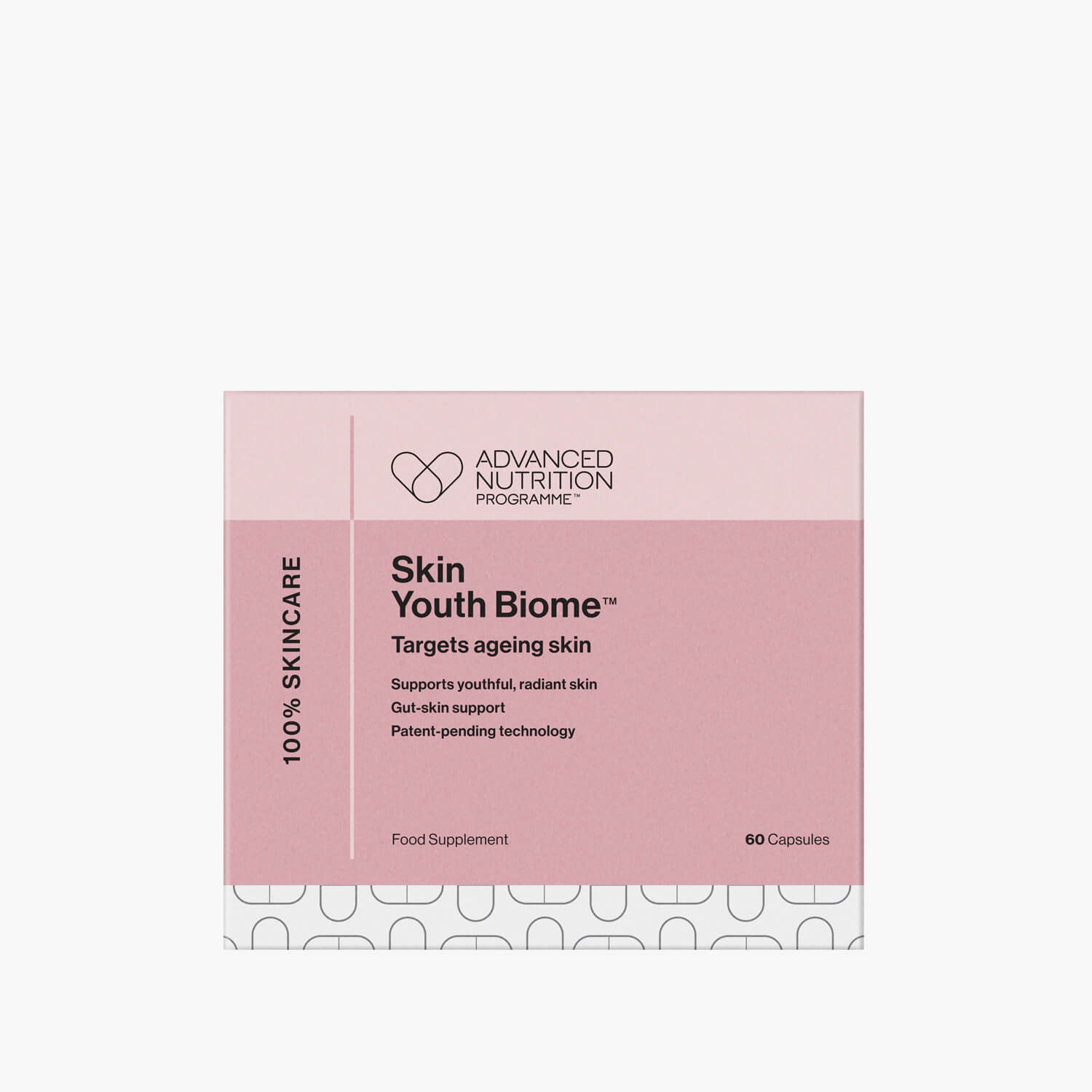
🔗 Discover Skin Youth Biome
Nourish your skin, hair, and nails – get your glow back.
1. The Myth That Won’t Die
You’ve probably heard it before: “Those white spots on your nails mean you need more calcium.” This age‑old belief has been passed down for generations, but it’s time to set the record straight. Are white spots on nails a sign of calcium deficiency? The short answer is a resounding no. In fact, the nail calcium deficiency myth is one of the most persistent nail health myths out there. In this article, we’ll dive deep into the real causes of those tiny white dots on nails, explore other fingernail disorders, and give you the facts about white spots on nails so you can stop worrying and start caring for your nail health properly.
2. What Are White Spots on Nails (Leukonychia)?
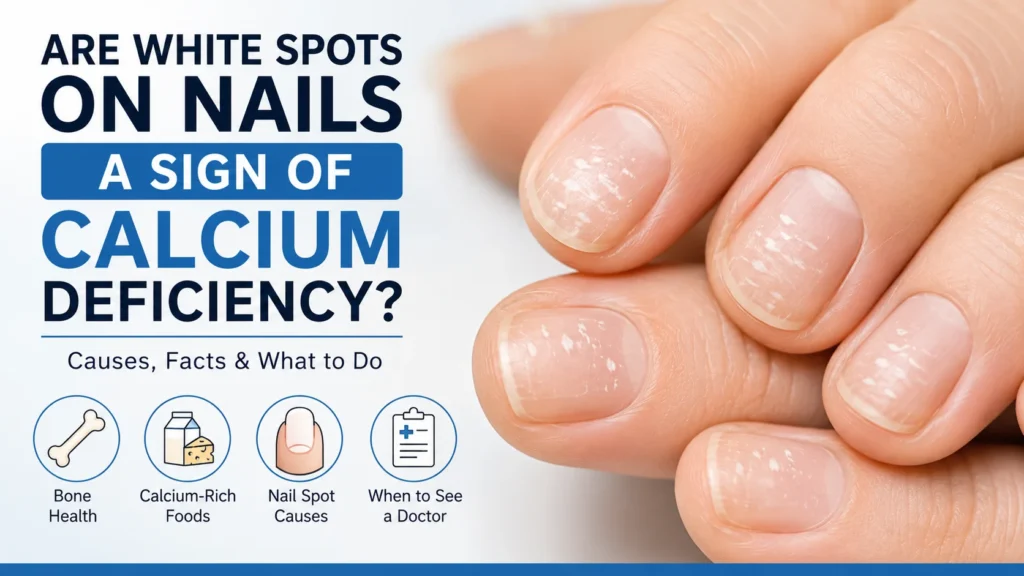
The medical name for white spots on nails is leukonychia. When they appear as tiny, pinprick‑sized dots, it’s specifically called leukonychia punctata. These white marks on nails can show up on one or several fingers, and sometimes even on toenails (white spots on toenails causes are similar to those on fingernails). They are not a disease but a symptom of something that happened to the nail plate or its underlying growth centre – the nail matrix.
The nail matrix is the area under the cuticle where new nail cells are produced. Any disturbance to this delicate factory can result in nail discoloration in the form of white nail spots. The spots are essentially tiny areas of abnormal keratinisation that reflect light differently, making them appear white. They are not a sign of fungal infection, and they are not permanent.
3. Real Causes of White Spots on Fingernails
So, if it’s not calcium, what causes white spots on fingernails? The overwhelming majority of cases are due to minor nail matrix trauma or nail injuries. This can happen in many everyday ways:
- Bumping or tapping your nail against a hard surface.
- Aggressive manicures – filing, pushing cuticles too hard, or using metal tools can cause cuticle damage.
- White spots after manicure – especially after gel manicure or acrylic nails removal, when the nail is weakened.
- White spots after nail polish – if you peel off polish roughly, you can stress the nail plate.
- Biting your nails or picking at the cuticles.
- Even stress – can stress cause white spots on nails? Indirectly, yes, if stress leads to nail‑biting or other habits that traumatise the matrix.
In children, white spots on nails in children are extremely common and almost always due to minor play‑related knocks. Parents often ask, “Why do children get white spots on their nails?” – the answer is simple: they are active and their nails are still growing, so trauma is frequent.
4. Busting the Calcium & Vitamin Deficiency Myths
Let’s tackle the big question head‑on: Are white spots on nails a sign of calcium deficiency? No. Extensive research has shown that white spots on nails not calcium deficiency – it’s a myth. So, what do low calcium nails look like? True calcium deficiency (hypocalcemia) can cause brittle, thin, or ridged nails, but not white spots. The nail calcium deficiency myth likely arose because calcium is important for bones and teeth, and people assumed it also affected nail colour – but that’s not how it works.
What about other vitamins? Do white spots on nails mean vitamin deficiency? Rarely. While severe zinc or iron deficiency can sometimes cause nail abnormalities, the classic white dots on nails are not a hallmark of nutritional deficiency. Which deficiency causes white spots on nails? In very rare cases, zinc deficiency has been linked, but it’s not the primary cause. Does iron deficiency cause white spots on nails? Usually not – iron deficiency more commonly causes spoon‑shaped nails (koilonychia) or pale nail beds. So if you’re asking “What vitamins do I need if I have white spots on my nails?” – the answer is likely none, because the spots are not a vitamin issue.
It’s important to differentiate: white spots on nails vitamin myth is widespread, but the facts about white spots on nails are clear – trauma is the main driver. So, the next time someone tells you to drink more milk, you can confidently share the truth.
5. How Long Do White Spots Take to Grow Out?
Since the spots are part of the nail plate itself, they don’t disappear – they grow out with the nail. Fingernails grow at an average rate of about 3.5 mm per month, so a spot near the cuticle will take about 6–9 months to reach the tip, depending on your individual nail growth rate. Toenails grow slower, so white spots on toenails causes may take up to 12‑18 months to grow out.
How long do white spots on nails take to grow out? – patience is key. You cannot “treat” the spot itself; you just wait for the nail to grow. However, you can support overall nail health to ensure strong, smooth regrowth.
6. How to Prevent and Manage White Nail Spots
While you can’t always avoid minor bumps, you can reduce the risk of nail matrix damage:
- Be gentle during manicures – avoid aggressive filing and cuticle cutting.
- Protect your nails when doing manual work – wear gloves.
- Keep nails trimmed to reduce the chance of snagging.
- Moisturise your cuticles and nails regularly.
- If you get gel or acrylics, ensure removal is done professionally to avoid white spots after gel manicure or white spots after acrylic nails.
- Eat a balanced diet rich in protein, biotin, and minerals for overall nail strength – but remember, this won’t prevent trauma‑induced spots.
How to get rid of white spots on nails – you can’t remove them instantly, but you can buff the surface lightly to diminish their appearance (though this thins the nail). The healthiest approach is to let them grow out.
7. When to See a Doctor
In most cases, are white spots on nails harmless? Yes – they are benign and nothing to worry about. However, you should consult a dermatologist if:
- The spots cover the entire nail (total leukonychia), which can be a sign of a systemic condition.
- The spots are accompanied by other symptoms like nail thickening, pain, or changes in nail shape.
- You have persistent nail abnormalities that don’t improve.
- You suspect a fungal infection or other fingernail disorders.
For the vast majority, white spots on nails in adults and white spots on nails in children are completely harmless. Should I worry about white spots on my nails? – generally, no.
8. FAQs – Your Questions Answered
Rarely – zinc deficiency has been suggested, but the overwhelming cause is nail matrix trauma. So, white spots on nails calcium myth is just that – a myth.
No, they are harmless and do not indicate any serious health issue.
They grow out with the nail – they don’t disappear on their own, but they move towards the free edge and are clipped off.
In rare cases, severe zinc deficiency may contribute, but it’s not the typical cause. Most people with white dots on nails have normal zinc levels.
Iron deficiency usually causes other changes like spoon‑shaped nails, not white spots.
Not directly, but white spots after nail polish can occur if you peel off polish aggressively, causing superficial trauma.
They mean that at some point, your nail matrix experienced minor injury, and the new nail grew with a small keratin defect.
Because kids are active and frequently bump their nails – it’s perfectly normal.
No, they are benign. Only worry if they are persistent and accompanied by other symptoms.
Avoid trauma – be gentle with your nails, wear gloves for rough work, and treat your cuticles kindly.
Stress itself doesn’t cause them, but stress‑related habits like nail‑biting can.
Yes – that is the number one cause. Can nail trauma cause white spots? – absolutely.
They may be brittle, thin, or have horizontal ridges – but not white spots.
As noted, zinc is the only one occasionally linked, but it’s rare. Most cases are trauma.
Because of minor knocks or pressure on the nail matrix.
You likely don’t need specific vitamins for those spots, but a balanced diet with biotin, zinc, and protein supports overall nail health.
9. The Bottom Line
So, are white spots on nails a sign of calcium deficiency? Unequivocally, no. They are almost always due to minor nail matrix trauma and are medically known as leukonychia punctata. They are not dangerous, they don’t reflect your calcium or vitamin status, and they will grow out with time. The best approach is to practice gentle nail care, protect your nails from injury, and focus on overall healthy nails through a balanced diet and proper hydration. And remember – when you see white spots on fingernails, you can confidently say, “It’s just a little bump, not a calcium crisis.”
🌟 Give Your Nails & Skin an Extra Boost
While white spots are usually harmless, supporting your body with the right nutrients can make your nails and skin look their best. Skin Youth Biome is formulated to support skin barrier function, hydration, and overall vitality – a perfect ally for your beauty routine.
✨ Explore Skin Youth Biome
Invest in your skin, hair, and nail health – because you deserve to glow.