

📑 What’s Inside This Guide
- 🧬 What Are Biomarkers and Why They Matter
- ⚖️ Hormonal Biomarkers: Leptin, Ghrelin, and Insulin
- 🔥 Inflammatory Biomarkers: CRP, TNF-α, and IL-6
- 🧩 Genetic & Metabolic Biomarkers: FTO, MC4R, and More
- 📊 Lifestyle Biomarkers: Sleep, Stress, and Circadian Rhythm
- 💊 Treatment Biomarkers: Tracking Progress with GLP-1s and Peptides
- 🏆 Top Weight Loss Programs & Tools
- ❓ Frequently Asked Questions
🧬 What Are Biomarkers and Why They Matter
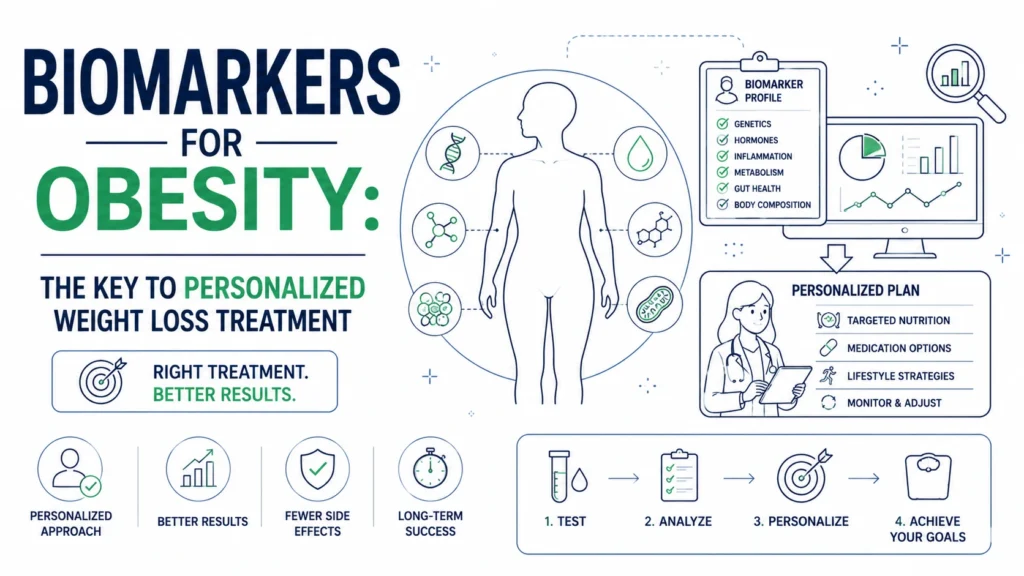
Biomarkers are measurable indicators of biological processes in your body. For obesity and weight loss, they provide objective data about what’s happening beneath the surface—beyond just the number on the scale.
Understanding your unique biomarker profile can help you choose the right treatment, track progress, and make informed decisions about diet, exercise, and medication. This article breaks down the most critical biomarkers and how they influence your weight loss journey.
⚖️ Hormonal Biomarkers: Leptin, Ghrelin, and Insulin
Hormones play a central role in appetite regulation and fat storage. Leptin signals fullness to your brain—but in obesity, leptin resistance can occur, meaning your brain doesn’t “hear” the signal. Ghrelin, the “hunger hormone,” stimulates appetite and often remains elevated after weight loss, making maintenance difficult.
Insulin is another key player. High fasting insulin levels indicate insulin resistance, which promotes fat storage and makes weight loss harder. Monitoring these biomarkers can guide interventions like GLP-1 agonists or peptide therapies that directly modulate these hormonal pathways.
🔥 Inflammatory Biomarkers: CRP, TNF-α, and IL-6
Chronic low-grade inflammation is a hallmark of obesity. C-reactive protein (CRP) is a general marker of systemic inflammation. Elevated CRP is consistently linked to obesity and metabolic syndrome. TNF-α and IL-6 are pro-inflammatory cytokines produced by adipose tissue that interfere with insulin signaling and promote weight gain.
Tracking these inflammatory markers can help you assess whether your weight loss interventions are reducing inflammation, which is a key component of improving metabolic health and sustaining weight loss.
🧩 Genetic & Metabolic Biomarkers: FTO, MC4R, and More
Genetics influence your predisposition to obesity and your response to weight loss interventions. The FTO gene is the most well-studied obesity-risk gene. Variations in FTO are associated with higher BMI, increased calorie intake, and preference for high-fat foods.
MC4R (melanocortin-4 receptor) mutations are the most common cause of monogenic obesity. Knowing your genetic profile can help personalize your approach—for instance, certain genetic variants may predict better responses to GLP-1 medications or specific dietary patterns.
📊 Lifestyle Biomarkers: Sleep, Stress, and Circadian Rhythm
Sleep quality, stress levels, and circadian rhythm are emerging as important biomarkers for weight management. Poor sleep elevates ghrelin and reduces leptin, increasing appetite and cravings. Chronic stress raises cortisol, which promotes abdominal fat storage and insulin resistance.
Disrupted circadian rhythms (from shift work or late-night screen time) are also linked to obesity. Tracking these factors through wearables or simple self-assessment can provide actionable insights for optimizing your weight loss plan.
💊 Treatment Biomarkers: Tracking Progress with GLP-1s and Peptides
When using medical interventions like GLP-1 receptor agonists (semaglutide, tirzepatide) or peptide therapies, specific biomarkers can help gauge effectiveness. Key metrics include:
- HbA1c – reflects average blood sugar over 3 months.
- Fasting blood glucose – a direct measure of insulin sensitivity.
- Body composition (via DEXA or bioimpedance) – tracks fat loss vs. muscle preservation.
- Lipid panel (total cholesterol, LDL, HDL, triglycerides) – monitors cardiovascular risk.
Regular biomarker testing can help you and your provider adjust dosages, switch therapies, or combine interventions for optimal, sustainable results.
🏆 Ready to take control of your biomarkers? 🏆
These top programs and tools can help you measure, track, and optimize your weight loss journey.
📋 The Complete Biomarker Panel
⚕️ The Premium Weight Loss Program
🧬 Genetic & Metabolic Testing
💊 GLP-1 & Peptide Therapy Guide
🔬 Data-driven decisions lead to lasting results. 🔬
Choose your path and start transforming your health today.
❓ Frequently Asked Questions About Biomarkers for Obesity
Affiliate Disclosure: Some of the links in this article are affiliate links. If you make a purchase through these links, we may earn a small commission at no extra cost to you. We only recommend products and services we trust and believe can benefit you.
Medical Disclaimer: This content is for informational and educational purposes only. It is not medical advice and should not replace consultation with your healthcare provider. Always discuss biomarker testing and weight loss interventions with a qualified physician, especially if you have underlying conditions.
The data is already there, waiting to guide you. Whether it’s leptin resistance, hidden inflammation, or a genetic predisposition—knowing your biomarkers is the first step to taking back control. Your best weight loss plan starts with understanding your biology. Start today.