
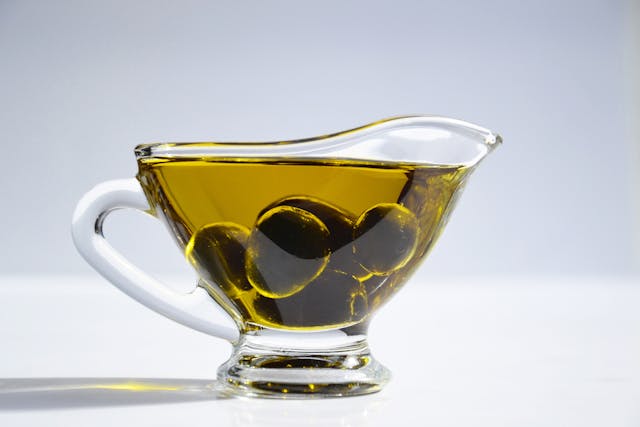

Have you ever found an old bottle of cooking oil tucked away in your pantry and wondered, “Is this still good to use?”Does Cooking Oil Spoil. You’re not alone! Many home cooks are puzzled by the shelf life of cooking oil and whether it truly spoils. Understanding the longevity of your oils is crucial not just for flavor but also for your health.
✅ Yes, cooking oil does spoil! Oxidation, heat, light, and air exposure cause oils to break down over time, leading to rancidity. Signs include off smells (bitter or sour), unpleasant taste, and cloudiness. Unopened oils last up to 2 years; opened ones typically last 6–12 months. Store in cool, dark places in sealed containers. Never pour oil down the drain—solidify and trash it or recycle it. When in doubt, throw it out!
Introduction
Have you ever found an old bottle of cooking oil tucked away in your pantry and wondered, “Is this still good to use?” You’re definitely not alone! This common kitchen dilemma puzzles countless home cooks who aren’t sure whether that bottle of olive oil or vegetable oil is still safe for their next culinary creation.
The truth is, cooking oil does spoil, and understanding its shelf life is far more important than many people realize. Spoiled oil doesn’t just compromise the flavor of your dishes—it can also affect the nutritional quality of your meals and potentially pose health risks. What’s particularly tricky is that oil can go bad sometimes without any obvious warning signs, making it essential to know what to look for.
In this comprehensive guide, we’ll uncover the science behind cooking oil spoilage and provide you with practical, actionable tips for proper storage. You’ll learn how to keep your favorite oils fresh and flavorful, ensuring every meal sizzles with quality and deliciousness. Say goodbye to the days of second-guessing and hello to confident, savvy kitchen management!
Understanding Cooking Oil: Types and Composition
Cooking oils come in a dazzling array of types, each with distinct characteristics that influence their use in the kitchen. From olive oil, renowned for its heart-healthy monounsaturated fats, to coconut oil, celebrated for its medium-chain triglycerides, the variety is substantial. Canola, sunflower, avocado, and peanut oils each offer unique benefits and flavors, making them staples in different culinary traditions around the world. Understanding these differences is the first step in managing their shelf life effectively.
The composition of cooking oils primarily includes fats, which can be categorized as saturated, monounsaturated, or polyunsaturated. Each type of fat reacts differently to heat, light, and air, significantly impacting the oil’s stability and longevity. Saturated fats, like those abundant in coconut oil and palm oil, are more resistant to oxidation, giving them a longer shelf life. On the other hand, polyunsaturated fats, found in oils such as safflower, flaxseed, and walnut, are more prone to becoming rancid because their molecular structure makes them highly susceptible to chemical breakdown.
Moreover, many cooking oils contain natural antioxidants such as vitamin E, which can help preserve the oil by slowing down the oxidation process. However, once these protective antioxidants are depleted over time, the oil becomes increasingly vulnerable to spoilage. This underscores why proper storage and timely usage are so critical. By understanding the unique composition of your cooking oils, you can better predict their behavior over time and take proactive steps to optimize their shelf life and maintain their quality.
Do Cooking Oils Expire? The Science Behind Spoilage
Yes, cooking oils do expire, and the science behind this spoilage is both fascinating and complex. Oxidation is the primary culprit—it occurs when oils are exposed to oxygen, leading to the breakdown of fatty acids. This chemical reaction is accelerated by exposure to light, heat, and moisture, which is why storing oils in a cool, dark place is consistently recommended by experts. Over time, oxidation results in the formation of peroxides and free radicals, compounds that not only degrade the oil’s flavor but can also pose health risks when consumed regularly.
Another key process involved in oil spoilage is hydrolysis, where water molecules break down the triglycerides into free fatty acids and glycerol. This phenomenon often occurs when cooking oils are frequently used for frying, as the moisture released from food being cooked can contribute to this breakdown. The presence of free fatty acids can make the oil taste sour or rancid and significantly reduce its smoke point, making it less suitable for high-heat cooking methods.
Additionally, microbial contamination can also cause oils to spoil, although this is less common than oxidation. Certain oils, particularly those that are unrefined or cold-pressed, may retain some moisture and organic material, providing a potential medium for microbial growth. This is why refined oils, which have been processed to remove impurities and moisture, generally have a longer shelf life. Understanding these scientific processes empowers you to recognize the importance of proper oil storage and handling to prevent premature spoilage and protect your health.
Signs That Your Cooking Oil Has Spoiled
Recognizing the signs of spoiled cooking oil is crucial to ensuring your meals are both delicious and safe for consumption. One of the most obvious indicators is a change in smell. Fresh cooking oils typically have a mild, pleasant, or even nutty aroma, while spoiled oils emit a harsh, bitter, sour, or paint-like odor. This unpleasant smell results from the formation of volatile compounds during the oxidation process, and it’s a clear sign that the oil should be discarded immediately.
Another telltale sign of spoilage is a change in taste. Spoiled oils can have a bitter, sour, or even metallic flavor that’s immediately recognizable. This off-taste can ruin the flavor profile of your dishes entirely, and consuming rancid oil can lead to digestive discomfort and other health issues over time. Conducting a small taste test—just a tiny drop on your tongue—can help you determine if the oil is still good to use. However, be sure to spit it out if the flavor seems off and discard the oil.
Visual changes can also indicate that your cooking oil has passed its prime. Fresh oils are typically clear, vibrant, and have a consistent color depending on the type. Spoiled oils, however, may become cloudy, develop a filmy appearance, or show sediment settling at the bottom of the bottle. This cloudiness or sediment results from the breakdown of the oil’s components and serves as a strong indicator that the oil is no longer fresh. Additionally, if you notice any mold growth—which is rare but possible in unrefined oils—discard the product immediately. By staying vigilant about these signs, you can ensure your cooking oil is always fresh and safe to use.
How Long Does Cooking Oil Last? Shelf Life Explained
The shelf life of cooking oil can vary significantly depending on the type of oil and how it is stored. Generally speaking, unopened bottles of cooking oil can last up to two years when stored properly in a cool, dark place. However, once opened, the shelf life typically decreases to about six months to one year, depending on the oil’s specific composition and the storage conditions it’s exposed to. For example, olive oil generally lasts around 12 to 18 months after opening, while canola and vegetable oils may stay fresh slightly longer under ideal conditions.
One key factor that influences shelf life is the level of refinement. Refined oils, such as vegetable, canola, or sunflower oil, have had impurities and natural compounds removed during processing, making them more stable and longer-lasting. In contrast, unrefined or cold-pressed oils, like extra virgin olive oil or walnut oil, contain more natural particles and antioxidants that can degrade over time, leading to a shorter shelf life—typically around 6 to 12 months after opening. It’s essential to consider these differences when purchasing and storing various types of cooking oils for your kitchen.
The packaging also significantly affects the shelf life of cooking oil. Oils stored in dark glass bottles or opaque containers are better protected from light exposure, which can accelerate oxidation and rancidity. Some manufacturers also use nitrogen gas to flush the bottle before sealing it, effectively reducing the presence of oxygen and extending the oil’s freshness significantly. By understanding these factors, you can make informed decisions about which oils to buy and how to store them to maximize their usable life and get the best value for your money.
Factors Affecting the Shelf Life of Cooking Oil
Several critical factors can influence the shelf life of cooking oil, and understanding these can help you keep your oils fresh for as long as possible. Exposure to light is one of the most significant culprits. Light, particularly ultraviolet (UV) light, can accelerate the oxidation process dramatically, leading to premature rancidity. This is why oils should always be stored in dark, cool places, and why dark glass bottles or opaque containers are strongly preferred over clear or transparent packaging.
Temperature is another critical factor that deserves careful attention. Cooking oils should be stored at a consistent, cool temperature, ideally between 50°F and 70°F (10°C to 21°C). Higher temperatures can speed up the degradation of the oil’s chemical structure, while fluctuating temperatures can cause condensation to form inside the bottle, introducing moisture that leads to hydrolysis and spoilage. It’s best to avoid storing cooking oils near heat sources, such as stoves, ovens, or direct sunlight, to maintain their stability and freshness for longer periods.
Air exposure also plays a vital role in the shelf life of cooking oils. When oil is exposed to air, it can oxidize and become rancid more quickly than you might expect. To minimize this risk, always ensure the bottle is tightly sealed when not in use. If you buy cooking oil in bulk quantities, consider transferring a smaller portion to a smaller container for regular everyday use, keeping the larger container sealed and stored in optimal conditions. This practice reduces the frequency of opening the main container, thereby limiting air exposure and extending the overall shelf life of your oil.
Proper Storage Techniques for Cooking Oil
Proper storage techniques are absolutely essential for preserving the quality and extending the shelf life of your cooking oils. The first and most important rule of thumb is to store oils in a cool, dark place, well away from direct sunlight and heat sources. A pantry, a kitchen cabinet away from the stove, or a basement storage area are all ideal spots. This simple practice protects the oil from light and temperature fluctuations that can dramatically accelerate spoilage and compromise quality.
Using the right containers is equally crucial for maintaining oil freshness. Oils stored in dark glass bottles or opaque containers are significantly better protected from harmful light exposure. If your oil comes in a clear bottle, consider transferring it to a dark glass container to enhance its longevity. Additionally, always ensure the container is tightly sealed after each use to prevent air from entering and oxidizing the oil. For oils that you use less frequently, storing them in smaller containers can reduce the amount of air exposure each time you open the bottle, effectively extending their freshness.
Another valuable tip is to keep your oils away from strong-smelling foods or substances. Cooking oils can absorb odors from their surroundings surprisingly easily, which can negatively affect their flavor and make your dishes taste off. Ensure that your storage area is clean, well-ventilated, and free from strong-smelling spices, cleaning products, or other aromatic items. By following these storage techniques diligently, you can maintain the freshness and quality of your cooking oils, ensuring they are always ready to enhance your culinary creations with their full, intended flavor.
Best Practices for Extending the Life of Your Cooking Oil
To extend the life of your cooking oil effectively, it’s important to adopt a few smart best practices that go beyond just proper storage. One highly effective strategy is to buy oils in smaller quantities that you can realistically use within a few months. This reduces the risk of the oil spoiling before you have a chance to use it up. While it might be tempting to buy in bulk for potential savings, this approach often leads to significant wastage if the oil goes rancid before you can finish it, ultimately costing you more in the long run.
Another crucial best practice is to avoid cross-contamination at all costs. When using oil for cooking, pour the amount you need into a separate, clean container rather than dipping utensils directly into the main bottle. This prevents any food particles, water droplets, or other contaminants from getting into the oil, all of which can accelerate spoilage dramatically. Additionally, always use clean and dry utensils when handling cooking oil to maintain its purity and extend its usable life.
Lastly, consider the type of oil you are using for different cooking methods. Oils with higher smoke points, such as avocado, grapeseed, or peanut oil, are better suited for high-heat cooking and frying, as they remain more stable under intense heat. Using the right oil for the right cooking method not only enhances the flavor and texture of your dishes but also helps preserve the quality and longevity of the oil itself. By incorporating these best practices into your daily kitchen routine, you can maximize the value of your cooking oils and significantly reduce unnecessary waste.
What to Do with Expired Cooking Oil: Safe Disposal Methods
If you find yourself with expired cooking oil, it’s critically important to dispose of it safely and responsibly to protect both your home plumbing and the environment. Pouring it down the drain is absolutely not an option, as it can clog pipes, create costly plumbing problems, and contribute to environmental hazards in waterways and sewage systems. One of the safest and simplest ways to dispose of small amounts of cooking oil is to let it solidify. Place the oil in a sealable container, such as an empty milk carton, a used tin can, or a glass jar, and let it cool until it solidifies completely. Once solid, you can securely seal the container and dispose of it with your regular household trash.
For larger quantities of expired or used oil, consider taking it to a recycling center. Many recycling facilities actively accept used cooking oil and convert it into biodiesel, a renewable and environmentally friendly energy source. Check with your local waste management services or municipal recycling programs to find out if there are any oil recycling initiatives available in your area. Some communities also offer special collection days specifically for household hazardous waste, which often includes cooking oil, making proper disposal convenient and accessible.
Another eco-friendly option is to compost small amounts of used cooking oil. However, this approach is only suitable for vegetable-based oils and should be done in strict moderation, as too much oil can disrupt the composting process and create unpleasant odors. Mix the oil thoroughly with other compostable materials, such as dry leaves, shredded paper, or food scraps, to help it break down more efficiently and integrate into the compost properly. By following these responsible disposal methods, you can ensure that your expired cooking oil is handled in an environmentally conscious manner that protects both your home and the planet.
Frequently Asked Questions
Conclusion
In conclusion, understanding the complex factors that contribute to cooking oil spoilage and adopting proper storage techniques are absolutely essential for maintaining the quality, safety, and flavor of your oils. By learning to recognize the telltale signs of spoiled oil, using the right storage methods, and following best practices for handling and responsible disposal, you can ensure that your cooking oil remains fresh and enhances the deliciousness of your dishes every single time.
With these comprehensive tips and practical insights, you can master the art of savvy kitchen management, keeping your oils in top condition and your meals consistently delicious and healthy. Say goodbye to the days of second-guessing your pantry items and hello to confident, informed cooking with fresh, flavorful oils that elevate every meal you prepare!