

📌 TL/DR
- Leaking urine when coughing during pregnancy is called stress urinary incontinence and affects about 40% of pregnant women.
- Causes: Growing baby putting pressure on your bladder, hormonal changes relaxing pelvic floor muscles, increased urine production, and constipation.
- Most effective solution: Kegel (pelvic floor) exercises — do them 3-6 times daily.
- Instant fix: Use the “knack” — tighten your pelvic floor muscles right before you cough or sneeze.
- Lifestyle tips: Stay hydrated but limit fluids at night, reduce caffeine, eat fiber to prevent constipation, and maintain a healthy weight.
- Products: Use incontinence-specific pads (not regular period pads) for better protection.
- Will it go away? For most women, yes — bladder control usually returns within a few months after birth.
- See a doctor if: Leakage is heavy, painful, or affecting your quality of life.
You’re in the middle of a conversation, and a sudden cough catches you off guard. Before you know it, you feel that all-too-familiar warm trickle. If this sounds familiar, you are not alone — and more importantly, you are not broken.
Leaking urine when coughing during pregnancy is one of the most common yet least discussed challenges expectant mothers face. About 40% of pregnant women experience some degree of urinary incontinence, with rates climbing to 40-50% in the second and third trimesters. Whether it’s a few drops or a more significant leak, the embarrassment can be overwhelming — but it doesn’t have to be.
The good news? This condition, known medically as stress urinary incontinence (SUI), is usually temporary and manageable. With the right strategies, exercises, and products, you can regain control and confidence throughout your pregnancy journey.
In this comprehensive guide, we’ll explore why this happens, what you can do about it, and how to stay dry, comfortable, and empowered — one cough at a time.
📋 Table of Contents
- What Is Stress Urinary Incontinence?
- Why Does It Happen During Pregnancy?
- When Does It Typically Start?
- Risk Factors You Should Know
- The Power of Pelvic Floor Exercises (Kegels)
- Lifestyle Changes That Make a Difference
- The “Knack” Technique
- Products That Can Help You Stay Dry
- When to See a Doctor
- Frequently Asked Questions
1. What Is Stress Urinary Incontinence?
Stress urinary incontinence is the involuntary leakage of urine when physical pressure or “stress” is placed on your bladder. This happens during activities like:
- Coughing
- Sneezing
- Laughing
- Exercising
- Lifting objects
- Bending over
Note: The “stress” here refers to physical pressure, not emotional stress.
When you cough, the sudden increase in pressure inside your abdomen pushes down on your bladder. If your pelvic floor muscles aren’t strong enough to keep your urethra tightly closed, urine escapes.
2. Why Does It Happen During Pregnancy?
Pregnancy brings a perfect storm of factors that contribute to bladder leakage:
- Your Growing Uterus: As your baby grows, your expanding uterus puts increasing pressure on your bladder, leaving less room for urine. The bigger your baby gets, the more your bladder gets squeezed.
- Hormonal Changes: Your body produces more progesterone during pregnancy, which relaxes muscles and ligaments throughout your body — including your pelvic floor muscles and bladder sphincter. This makes it harder to hold urine in.
- Increased Urine Production: Your blood volume increases significantly during pregnancy, causing your kidneys to produce more urine.
- Weakened Pelvic Floor: The combination of hormonal relaxation and the weight of your growing baby can weaken your pelvic floor muscles, reducing their ability to support your bladder.
- Constipation: Constipation — common during pregnancy — adds even more pressure on your pelvic floor and bladder, further weakening support around your urinary tract.
3. When Does It Typically Start?
While many women expect leakage only in the third trimester, it can actually occur at any stage of pregnancy. However, symptoms are most common and noticeable in the second and third trimesters as your baby grows and pressure on your bladder increases.
The good news: for most women, bladder control returns to normal within a few months after childbirth.
4. Risk Factors You Should Know
You’re more likely to experience urine leakage during pregnancy if you:
- Are 35 or older
- Are overweight or obese
- Have a family history of incontinence
- Have had a previous vaginal delivery
- Experience constipation
- Smoke (which causes chronic coughing)
5. The Power of Pelvic Floor Exercises (Kegels)
Kegel exercises are the single most effective tool for preventing and managing stress urinary incontinence during pregnancy.
Why They Work
Kegels strengthen your pelvic floor muscles, which support your bladder, uterus, and bowel. Stronger muscles mean better bladder control.
How to Find the Right Muscles
There are a few ways to identify your pelvic floor muscles:
- Squeeze the muscles you use to stop passing gas.
- Squeeze the muscles you use to stop urination in midstream (only do this once to identify the muscles — don’t do it regularly).
- You should feel a slight pulling sensation in your rectum and vagina.
How to Do Kegels Correctly
Slow Holds (for stamina):
- Squeeze your pelvic floor muscles and hold for up to 10 seconds.
- Release fully and rest for at least 5 seconds.
- Repeat 10 times in a row.
Fast Squeezes (for quick reactions):
- Squeeze the same muscles strong and fast.
- Release immediately.
- Repeat 10 times in a row.
Aim to do both exercises 3 to 6 times a day. You can do them anywhere — at home, at work, even on the bus.
When to Start
You can start pelvic floor exercises as early as 16 weeks of pregnancy. It’s never too late to begin, and continuing after childbirth can help resolve any remaining issues.
⚠️ Important: Kegel exercises are less helpful for women with severe leakage. If you have heavy leakage, consult your healthcare provider.
6. Lifestyle Changes That Make a Difference
- Stay Hydrated — But Smartly: Drink about 6 to 8 glasses of water per day for proper hydration. However, limit fluids after dinner to reduce nighttime bathroom trips.
- Reduce Bladder Irritants: Avoid or limit caffeine, spicy foods, acidic foods, and carbonated drinks.
- Eat High-Fiber Foods: Prevent constipation by eating plenty of fiber. Constant straining to pass stool weakens pelvic floor muscles and increases leakage.
- Maintain a Healthy Weight: A healthy body weight reduces pressure on your bladder.
- Quit Smoking: Smoking causes chronic coughing, which repeatedly stresses your pelvic floor.
- Empty Your Bladder Fully: Take your time when using the bathroom to ensure you completely empty your bladder.
7. The “Knack” Technique — Your Instant Leak-Prevention Tool
The “knack” is a simple but highly effective technique: tighten your pelvic floor muscles at the exact moment you cough, sneeze, laugh, or lift.
This immediate contraction provides instant support to your urethra and can significantly reduce or prevent leakage.
Practice this technique regularly so it becomes automatic. Over time, your pelvic floor will learn to respond instinctively.
8. Products That Can Help You Stay Dry and Confident
While exercises and lifestyle changes address the root cause, the right products can give you immediate protection and peace of mind.
Ladies, let’s be real — you deserve to laugh, cough, and sneeze without a second thought. The right protection can make ALL the difference between anxiety and confidence.
- Clinically tested for pregnancy & postpartum
- Up to 12 hours of leak-free protection
- Odor control that keeps you feeling fresh
- Discreet fit that stays comfortably in place
👉 CLICK HERE to discover the best-rated bladder control pads!
Don’t let a little cough steal your confidence. Get the protection you deserve TODAY! 💪✨
Incontinence Pads Designed for Bladder Leaks
Regular menstrual pads are not designed for urine — urine is excreted faster and has different absorption requirements. You need pads specifically engineered for bladder leakage.
👉 Click here to view top-rated bladder control pads on Amazon
Incontinence Underwear for Discreet Protection
For those who prefer the feel of real underwear, absorbent incontinence panties offer excellent protection with the comfort and discretion of regular underwear.
👉 Click here to browse incontinence underwear on Amazon
Pelvic Floor Exercise Aids
For women who want extra support in strengthening their pelvic floor, pelvic floor trainers and exercise aids can provide guided, effective workouts.
👉 Click here to explore pelvic floor exercisers on Amazon

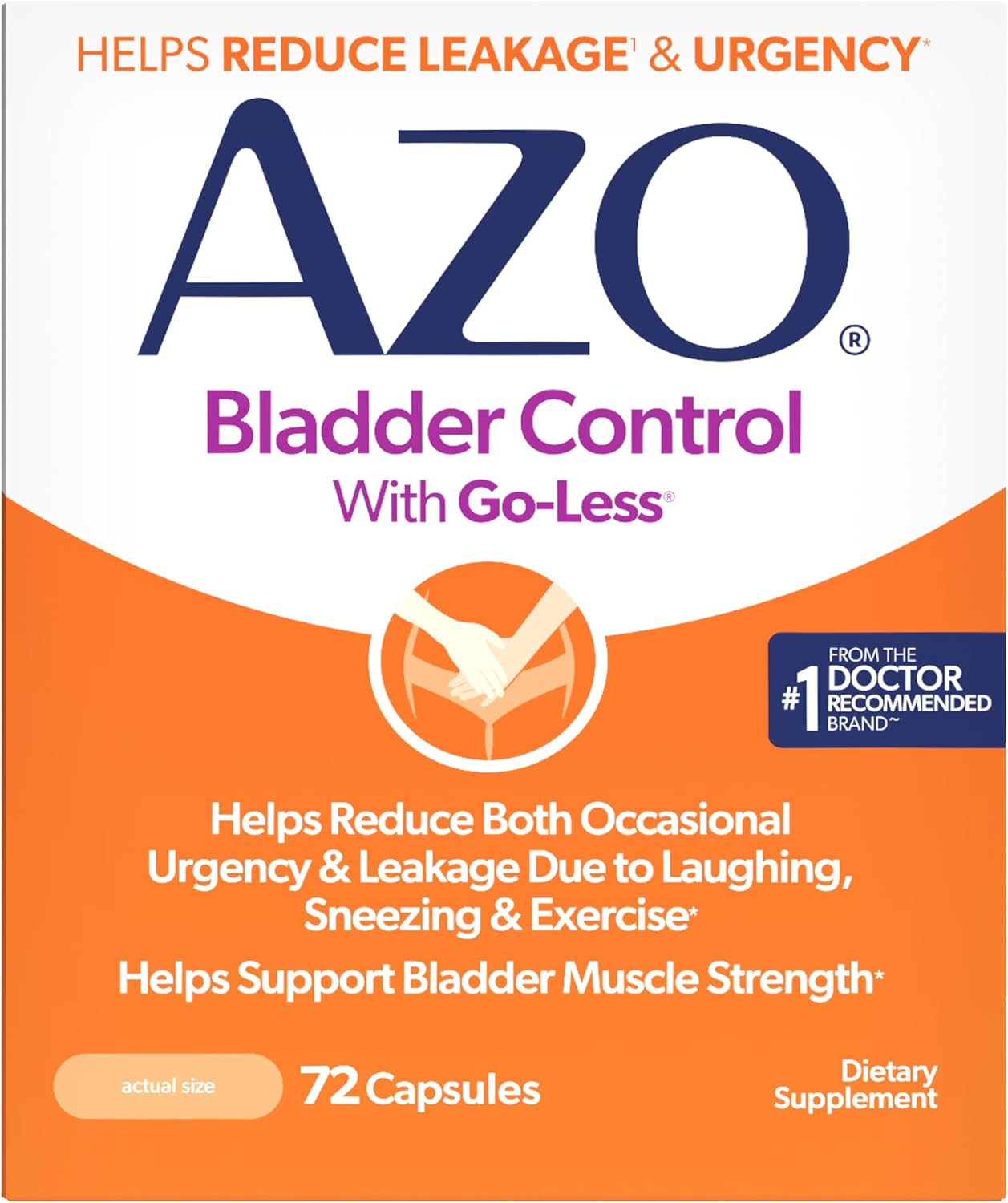

💡 Pro Tip: When choosing pads, look for those specifically designed for bladder leaks rather than menstrual periods. They offer better absorption, odor control, and a drier feel.
Imagine this: You’re at a baby shower, someone tells a hilarious joke, and you laugh freely — without a worry in the world. That’s the peace of mind the RIGHT incontinence products can give you.
- 💖 Trusted by millions of women worldwide
- 💖 Designed specifically for pregnancy & postpartum
- 💖 So discreet, only YOU will know you’re wearing it
👉 CLICK HERE to get the #1 recommended bladder leakage protection!
Stop worrying. Start living. Get yours now! 🛒✨
9. When to See a Doctor
While stress incontinence during pregnancy is common and usually harmless, you should consult your healthcare provider if:
- Leakage is heavy or getting worse
- You experience pain or burning when urinating
- You have fever or other signs of infection
- You’re unsure whether you’re leaking urine or amniotic fluid (your doctor can do a quick scan to check)
- Incontinence is affecting your daily life or causing you to avoid social situations
Your doctor can rule out urinary tract infections, assess your pelvic floor health, and recommend personalized treatment options.
10. Frequently Asked Questions (FAQs)
Yes! About 40% of pregnant women experience urine leakage. It’s one of the most common pregnancy-related issues.
For most women, yes. Bladder control typically returns to normal within a few months after childbirth. However, continuing pelvic floor exercises after delivery can speed up recovery.
Absolutely! Starting pelvic floor exercises early in pregnancy (from 16 weeks) can significantly reduce your risk. Maintaining a healthy weight, avoiding constipation, and reducing caffeine also help.
- Stress incontinence: Leakage during physical activities like coughing, sneezing, laughing, or exercising.
- Urge incontinence: Leakage after a sudden, strong urge to urinate that you can’t control.
Many women experience mixed incontinence — a combination of both.
Yes! Kegel exercises are safe and highly recommended during pregnancy. They can be done with a growing baby inside you.
Many women see results in a few weeks to months with consistent practice. The key is regularity — aim for 3 to 6 sessions daily.
It’s not recommended. Incontinence pads are specifically designed for the faster flow and different composition of urine. They offer better absorption, odor control, and dryness.
Limit or avoid caffeine, spicy foods, acidic foods, and carbonated drinks, as these can irritate your bladder.
While some leakage is normal, heavy leakage should be discussed with your doctor. They can assess whether additional treatments might help.
Final Words
Pregnancy is a beautiful journey, but it comes with its share of unexpected challenges. Leaking urine when you cough is NOT a sign of weakness — it’s a sign that your body is working hard to grow a tiny human. Be kind to yourself.
Remember: you are not alone in this. Millions of women experience the same thing. With the right exercises, lifestyle adjustments, and products, you can manage this condition effectively and enjoy your pregnancy with confidence.
Start your pelvic floor exercises today. Get the right protection. And most importantly — don’t let a little cough steal your joy. 💪🤰✨
📌 Helpful Links Recap:
👉 Best Bladder Control Pads — Your go-to protection for leaks
👉 Incontinence Pads — Top-rated options for bladder leakage
👉 Incontinence Underwear — Discreet, comfortable protection
👉 Pelvic Floor Exercisers — Tools to strengthen your pelvic floor
🌸 Stay dry, stay confident, and enjoy every moment of your pregnancy journey! 🌸