


Quick Verdict
What is considered dangerous triglyceride levels? Most major guidelines flag fasting triglycerides of 500 mg/dL or higher as severe hypertriglyceridemia, the zone where the risk of acute pancreatitis climbs meaningfully. Risk becomes especially high at 1,000 mg/dL and above. For heart and blood-vessel risk, elevations in the 175–499 mg/dL range are already clinically relevant, particularly when other metabolic risk factors are present.
The most important takeaway: Dangerous triglyceride levels are a medical problem first, not a supplement-shopping problem. Lifestyle change and, when indicated, prescription treatment are the foundation. Supplements may play a supporting role, but the evidence is uneven and product quality varies widely. Readers should verify any product’s label and clinician suitability before purchase.
| Decision area | What matters most |
|---|---|
| When to seek urgent care | Triglycerides ≥1,000 mg/dL, or ≥500 mg/dL with severe abdominal pain (possible pancreatitis). |
| First-line management | Diet, alcohol reduction, weight loss, glycemic control, and treating secondary causes. |
| Prescription options | Statins, fibrates, prescription omega-3s, and selected newer agents. |
| Supplement reality check | Omega-3s have the strongest triglyceride-lowering evidence; niacin and “proprietary blends” are less reliable choices. |
What Are Triglycerides?
Triglycerides are the main form of stored fat in the body and a normal energy source. They travel through the bloodstream packaged inside lipoproteins. When calorie intake consistently exceeds immediate energy needs, the liver packages the surplus into triglycerides for storage.
A standard lipid panel reports triglycerides in milligrams per deciliter (mg/dL) in the United States. Because triglycerides fluctuate with food and alcohol, clinicians often interpret fasting values, though 2026 guidelines also recognize non-fasting thresholds for risk stratification.
Dangerous Triglyceride Levels: The 2026 Thresholds
Different organizations use slightly different cutoffs, but the 2026 ACC/AHA multisociety guideline and BMJ Best Practice align on a practical severity framework:
| Category | Fasting triglyceride range | Clinical significance |
|---|---|---|
| Normal | Less than 150 mg/dL | Typical target range. |
| Moderate hypertriglyceridemia | 175–499 mg/dL | Increased atherosclerotic cardiovascular risk, especially with low HDL or diabetes. |
| Severe hypertriglyceridemia | ≥500 mg/dL | Dangerous threshold for pancreatitis risk; requires clinical evaluation. |
| Very high / extreme risk | ≥885–1,000 mg/dL | Substantially elevated acute pancreatitis risk; urgent medical review warranted. |
Bottom line: If you are asking “what is considered dangerous triglyceride levels,” the number to remember is 500 mg/dL as the guideline-defined severe threshold, with 1,000 mg/dL representing a particularly high-risk zone. However, levels in the 175–499 mg/dL range are not “safe” for cardiovascular health and deserve attention.
Why High Triglycerides Matter
1. Acute pancreatitis risk
Markedly elevated triglycerides are a well-established cause of acute pancreatitis. Risk is described as low-to-moderate above 885 mg/dL and high above 1,770 mg/dL, with a steep increase at ≥1,000 mg/dL. Pancreatitis is painful, can require hospitalization, and in severe cases is life-threatening.
2. Cardiovascular risk
Mild-to-moderate hypertriglyceridemia is associated with increased risk of atherosclerotic cardiovascular disease. Triglyceride-rich lipoproteins contribute to plaque formation, and elevated triglycerides frequently cluster with low HDL cholesterol, insulin resistance, and type 2 diabetes.
3. Warning signs not to ignore
Most people with high triglycerides have no symptoms. When levels become extreme, warning signs can include severe upper abdominal pain radiating to the back, nausea, and vomiting—possible pancreatitis. These symptoms require urgent medical evaluation, not supplement self-treatment.
Prescription Treatments for High Triglycerides
Treatment is layered. Clinicians first address secondary causes (diabetes, hypothyroidism, alcohol use, medications, kidney disease) and then add pharmacotherapy when risk remains high.
Lifestyle foundation
- Reduce added sugars, refined carbohydrates, and alcohol.
- Increase physical activity and achieve gradual weight loss if appropriate.
- Improve glycemic control in diabetes.
- Follow a clinician’s guidance if severe hypertriglyceridemia requires temporary fat restriction.
Medication classes with triglyceride-lowering effects
| Drug class | Typical TG reduction | Key notes |
|---|---|---|
| Fibrates (fenofibrate preferred) | 25–50% | Effective for severe HTG; fenofibrate is generally preferred over gemfibrozil when combined with a statin. |
| Prescription omega-3 fatty acids (EPA/DHA) | 10–50% | High-dose EPA alone reduced cardiovascular events in REDUCE-IT; EPA+DHA combinations did not in STRENGTH/OMEMI. |
| Niacin | 20–50% | Lowers TG but failed to reduce cardiovascular events when added to statins in AIM-HIGH and HPS2-THRIVE; flushing limits use. |
| Statins | 10–30% | Primarily LDL-lowering, with modest TG effects; foundational for cardiovascular risk reduction. |
| Apo C-III inhibitors (specialist use) | Substantial in familial chylomicronemia | Reserved for severe genetic forms; require specialist oversight. |
Supplements for High Triglycerides: What the Evidence Says
Supplements are not interchangeable with prescription treatment. The strongest evidence among over-the-counter options is for omega-3 fatty acids, but dose, chemical form (EPA vs DHA vs combined), and product quality matter greatly.
Omega-3 fatty acids (fish oil, EPA, DHA)
- Evidence: Omega-3s lower triglycerides by 10–50% by reducing hepatic VLDL production.
- Cardiovascular outcomes: High-dose EPA alone reduced events in REDUCE-IT; high-dose EPA+DHA did not in STRENGTH and OMEMI. This distinction matters: not all omega-3 products are equivalent.
- Practical caveat: Over-the-counter fish oil doses are often lower than prescription doses, and labels may not match actual EPA/DHA content. Third-party testing is important.
Niacin (vitamin B3)
Lowers triglycerides by 20–50%, but large trials failed to show added cardiovascular benefit when combined with statins, and flushing is common. Not a first-choice supplement for most people.
Fibrates as supplements?
Fibrates are prescription drugs, not dietary supplements. They should not be self-prescribed.
“Proprietary blends” and unverified products
Many Amazon supplements combine small doses of fish oil, niacin, garlic, berberine, or plant sterols under a “triglyceride support” label. These blends rarely disclose clinically relevant doses, and independent verification is usually absent. Readers should treat such products with caution and prioritize transparent labels with third-party testing.
Sponsored Supplement Resource
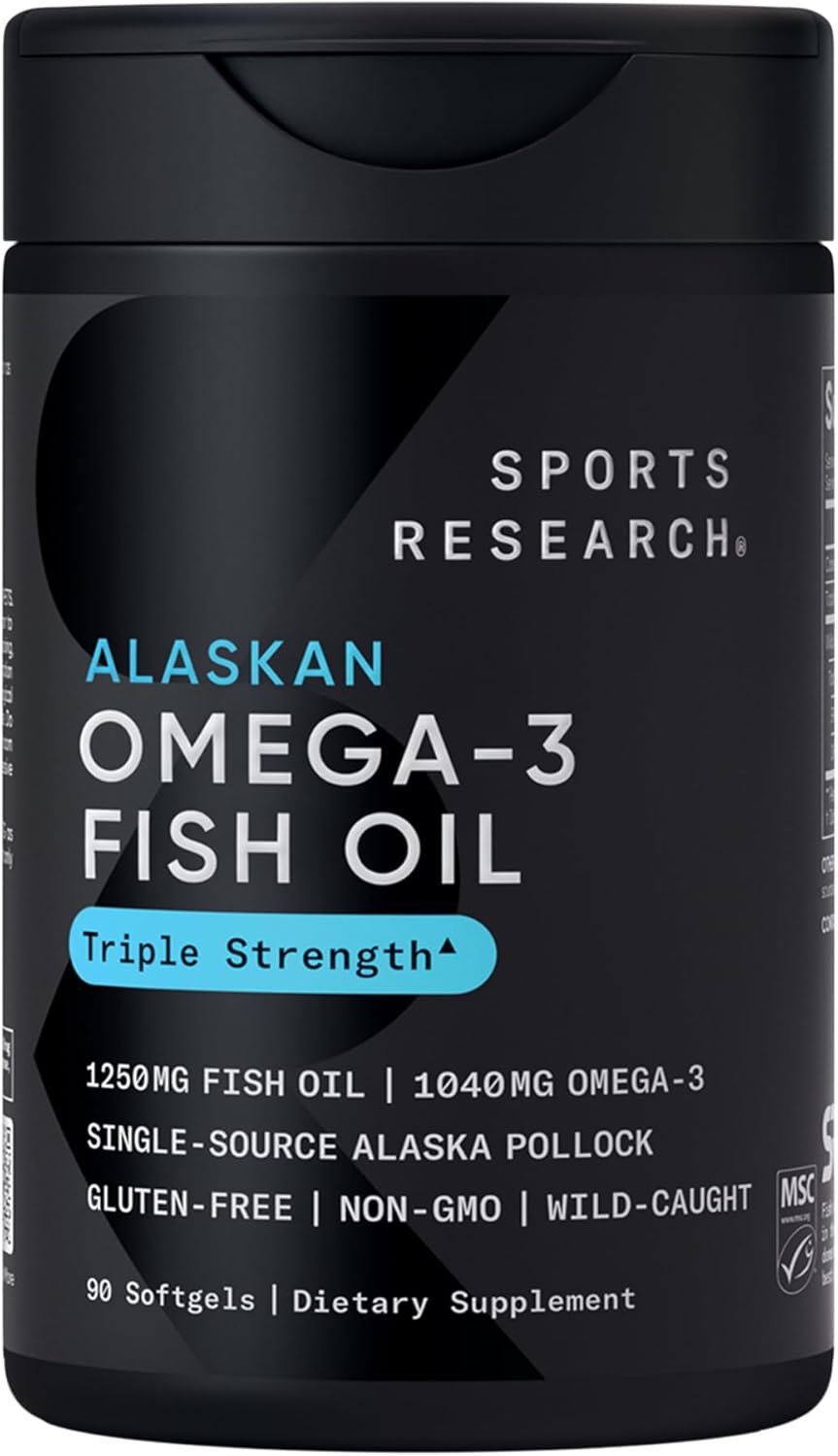
Comparing supplement options for high triglycerides? If you’re exploring support alongside clinician-guided care, take a closer look at this sponsored listing before you decide.
Review the current product details, label information, and availability on Amazon. Don’t guess—verify the label and ask your clinician whether it fits your health profile and medications.
Check Current Product Details on Amazon →
Affiliate link. Qualifying purchases may generate a commission at no extra cost to you. Product details have not been independently verified for ingredient identity, dose, third-party testing, or current price. This is not a medical recommendation. Confirm suitability with your clinician and verify the label before purchase.
Prescription vs Supplement: Comparison Table
Use this table to frame a conversation with a clinician—not to self-prescribe.
| Criterion | Prescription treatment | Omega-3 supplement (OTC) | Unverified “blend” supplement |
|---|---|---|---|
| Evidence for TG lowering | Strong; 25–50% for fibrates, 10–50% for prescription omega-3s | Moderate for omega-3s, but dose and form vary widely | Weak or unverified |
| Cardiovascular outcome data | Available for statins and high-dose EPA; mixed for fibrates added to statins | Mixed; high-dose EPA alone showed benefit in REDUCE-IT, EPA+DHA did not | Usually absent |
| Quality control | Regulated as medicines | Variable; third-party testing recommended | Often undisclosed |
| Medical supervision | Required | Recommended, especially with other medications | Recommended |
| Best for | Severe HTG, pancreatitis prevention, high cardiovascular risk | Mild-to-moderate TG elevation as an adjunct | Not a reliable first choice |
How to Choose Safely
- Clarify your number. Ask your clinician whether your result was fasting or non-fasting, and what your personal target is.
- Address the basics first. Alcohol, added sugars, refined carbohydrates, and untreated diabetes are major drivers of high triglycerides.
- Do not use supplements to avoid medical care. If triglycerides are ≥500 mg/dL, clinician involvement is not optional.
- If considering a supplement, prioritize:
- Third-party testing (USP, NSF, or equivalent).
- Disclosed EPA/DHA amounts per serving.
- No megadose niacin without clinician approval.
- No claims of curing pancreatitis or replacing prescription therapy.
- Recheck lipids as advised—typically 4–12 weeks after a treatment change.
Frequently Asked Questions
What is considered a dangerous triglyceride level?
≥500 mg/dL is the guideline-defined severe threshold, and ≥1,000 mg/dL carries a particularly high risk of acute pancreatitis. Levels of 175–499 mg/dL are also clinically meaningful for cardiovascular risk.
Can supplements lower triglycerides enough to avoid medication?
Not reliably for severe hypertriglyceridemia. Omega-3s can lower triglycerides modestly, but prescription treatment and lifestyle change remain the foundation for dangerous levels.
Are fish oil supplements as good as prescription omega-3s?
Not automatically. Prescription omega-3 products are standardized and dosed differently. High-dose EPA alone has the strongest cardiovascular outcome evidence, while many OTC products contain lower doses or combined EPA+DHA.
What should I do if my triglycerides are over 500 mg/dL?
Seek prompt medical evaluation. If you also have severe abdominal pain, nausea, or vomiting, seek urgent care because pancreatitis is a possibility.
Can high triglycerides cause symptoms I can feel?
Usually not. Most people have no symptoms until levels are extremely high or pancreatitis develops. Blood testing is the only reliable way to know your level.
Final Verdict
What is considered dangerous triglyceride levels? The practical answer is 500 mg/dL and above, with 1,000 mg/dL representing a particularly high-risk zone for pancreatitis. But cardiovascular risk begins at lower elevations, so a “not yet severe” result is not a reason to wait.
The best treatment is not a supplement—it is a clinician-guided plan that addresses diet, alcohol, glucose control, and, when indicated, prescription medication. Omega-3 fatty acids are the supplement with the most credible triglyceride-lowering evidence, but dose, form, and product quality vary enormously.
If you are exploring a sponsored supplement resource, verify the label independently and discuss it with your clinician first:
Review the Sponsored Supplement Listing Here →
Affiliate link. We do not guarantee specific results, and this article is not medical advice.
References and Further Reading
- BMJ Best Practice. Hypertriglyceridaemia. Updated January 2026.
- 2026 ACC/AHA Multisociety Guideline on the Management of Dyslipidemia.
- Feingold KR, et al. Triglyceride Lowering Drugs. Endotext/NCBI Bookshelf. Updated 2026.
- National Heart, Lung, and Blood Institute guidance on severe hypertriglyceridemia and pancreatitis risk.