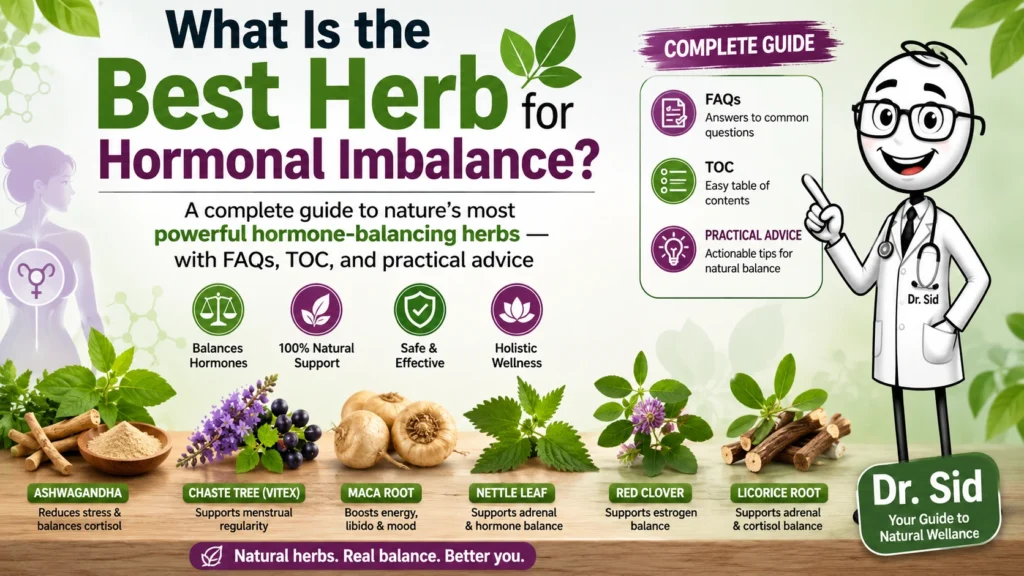

The “best” herb depends on your specific imbalance. For estrogen dominance, Vitex (Chasteberry) is widely recommended. For stress-related cortisol issues, Ashwagandha shines. For general female hormone support, Maca and Evening Primrose Oil are top contenders. No single herb fits all — it’s about matching the herb to your unique hormone profile.
If there’s one herb that comes closest to a “universal” female hormone balancer, it’s Vitex (Chasteberry). It works gently on the pituitary gland to support progesterone production, which can help with PMS, irregular cycles, and perimenopausal symptoms. However, always consult a practitioner — even the best herb isn’t right for everyone.
A multi-layered approach works best: (1) Adaptogenic herbs like Ashwagandha and Rhodiola to lower cortisol, (2) Phytoestrogenic herbs like Red Clover and Black Cohosh for estrogen support, (3) Lifestyle — sleep, stress management, and a whole-food diet rich in healthy fats and fiber, and (4) Gut health, as the microbiome plays a huge role in hormone metabolism.
The best herb for hormonal imbalance is Vitex (Chasteberry) for cycle regulation, Ashwagandha for stress-related hormone issues, and Maca for libido and energy. For estrogen dominance, consider DIM (from cruciferous veggies) or Black Cohosh for menopause. Always pair herbs with lifestyle changes — sleep, diet, and stress reduction are non-negotiable. Start low, go slow, and work with a qualified practitioner.
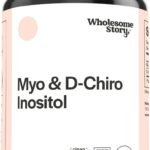
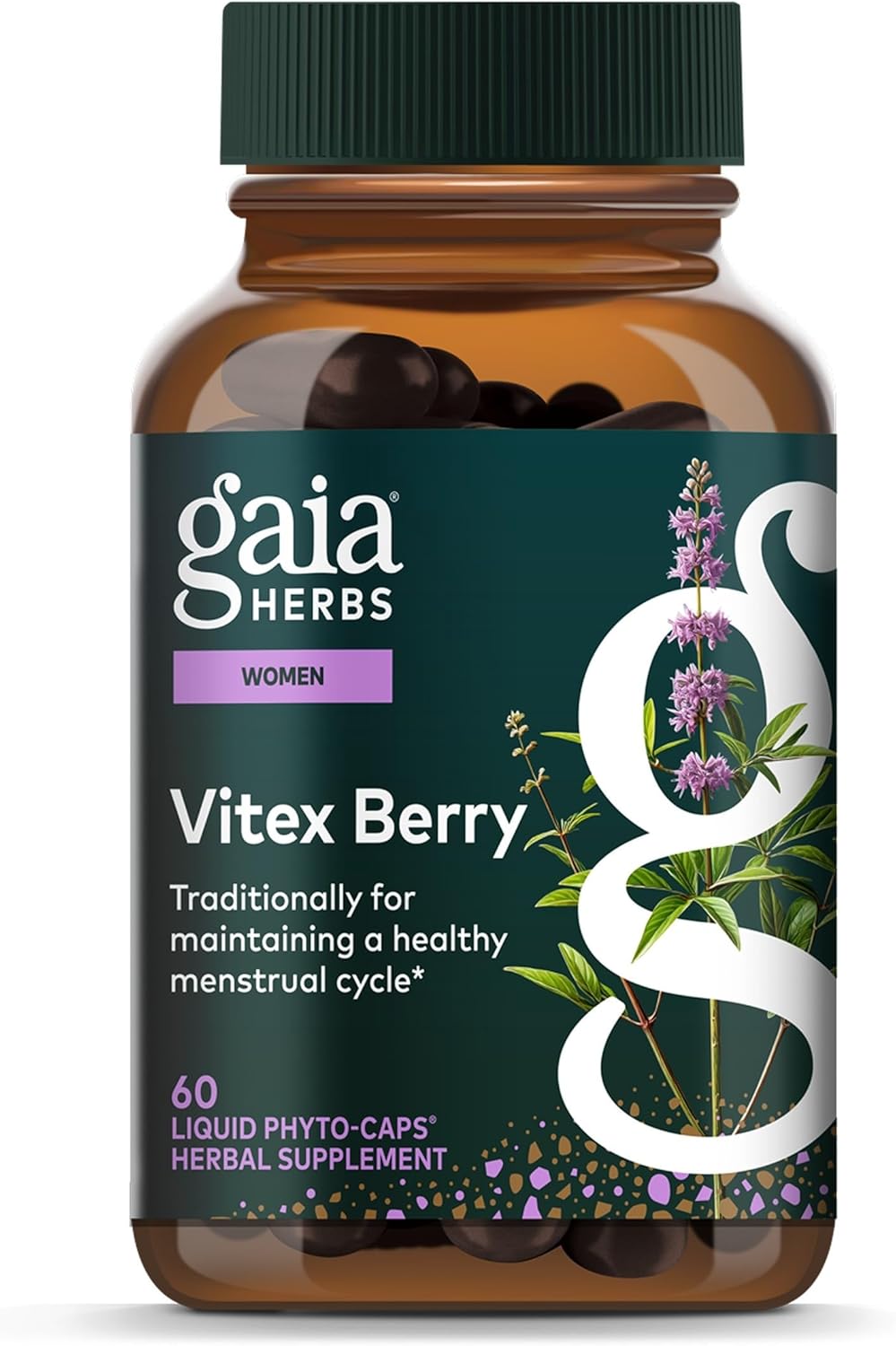
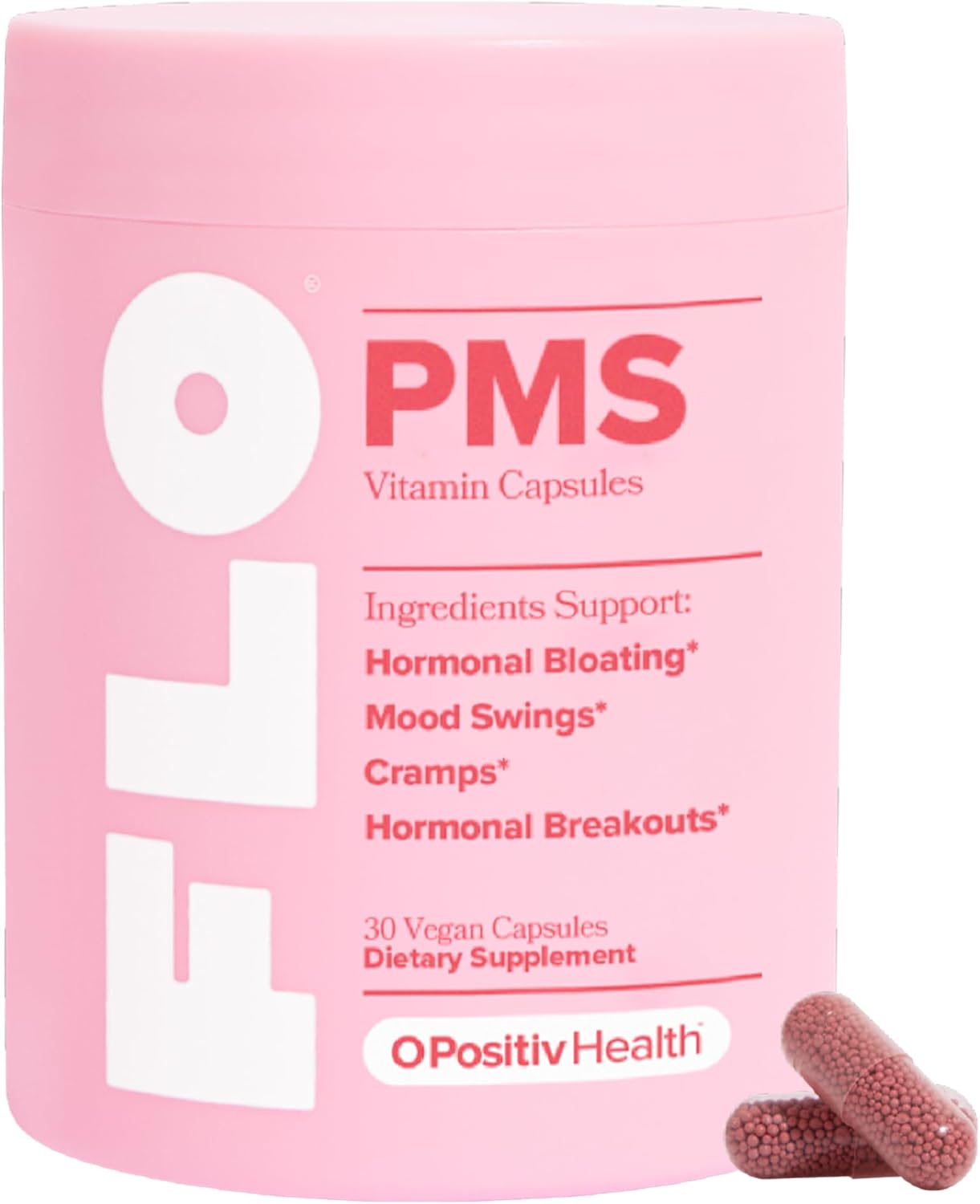
🛒 Top-Rated Supplements for Hormone Balance
Hand-picked products to support your hormone health journey.
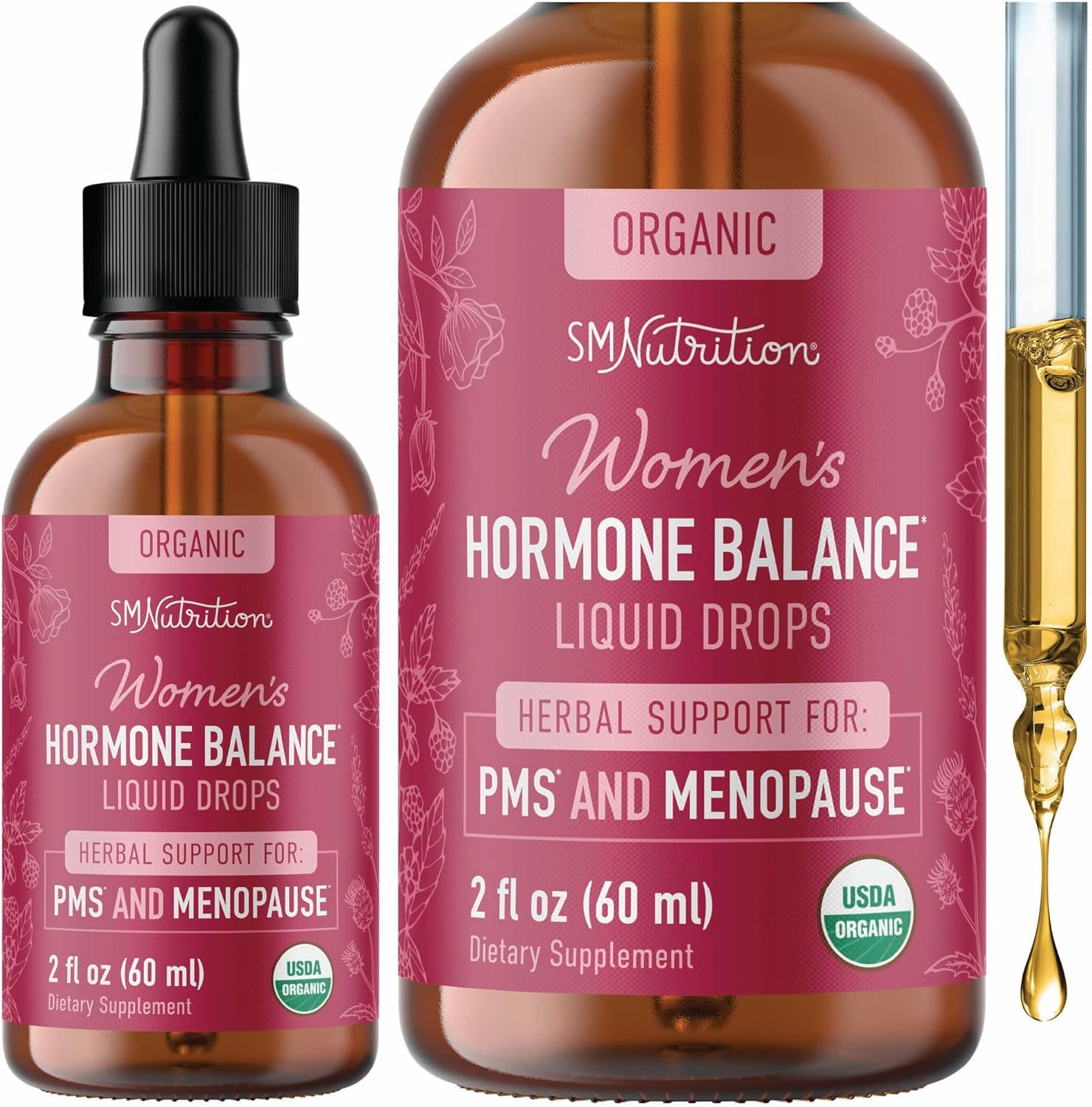
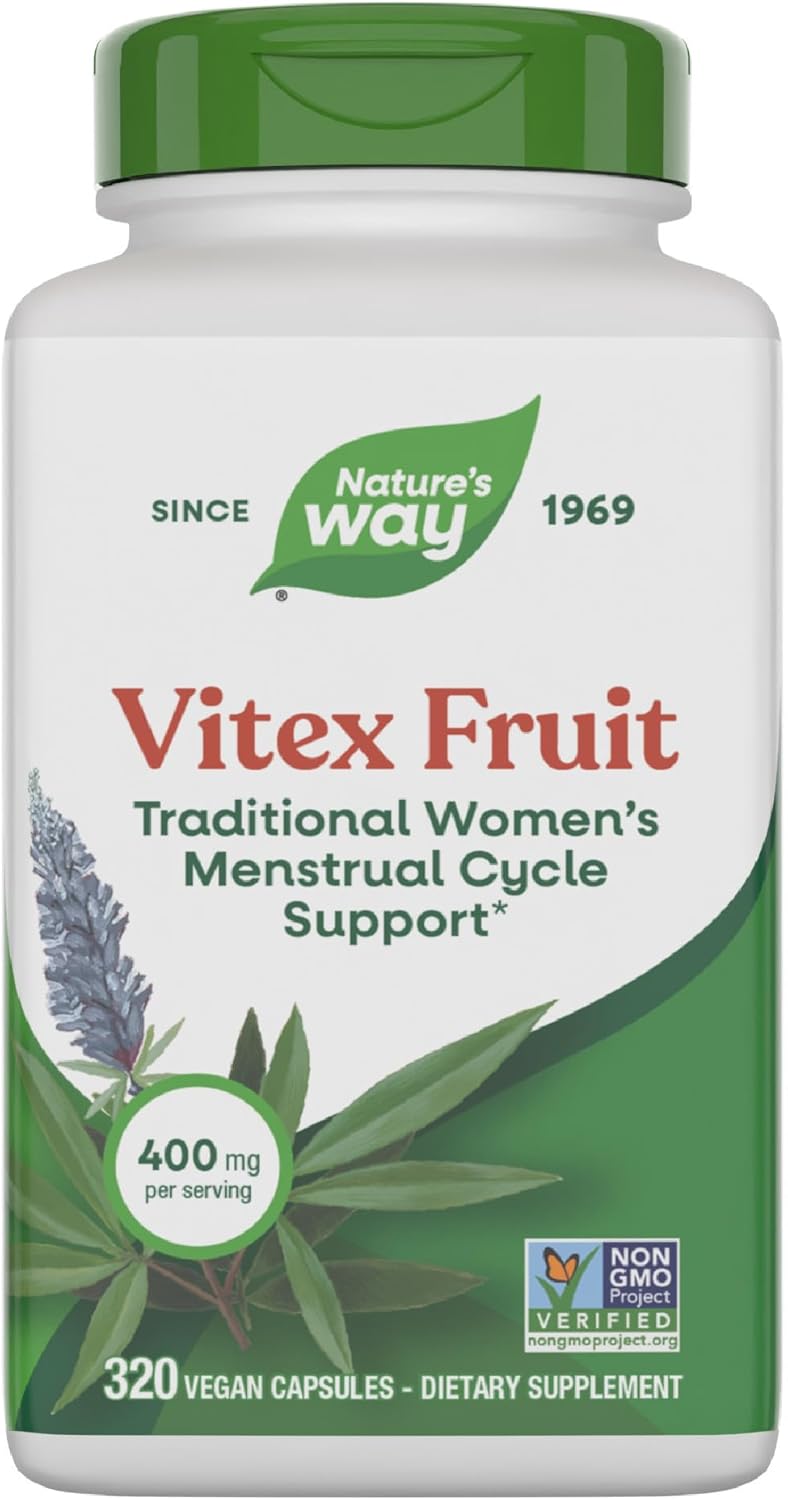
🛒 As an Amazon Associate, we may earn a small commission at no extra cost to you.
📖 Table of Contents
- What Is Hormonal Imbalance?
- Top Herbs for Hormonal Balance
- Vitex (Chasteberry) — The Cycle Regulator
- Ashwagandha — The Stress Shield
- Maca — The Energy & Libido Booster
- Black Cohosh — Menopause Support
- Evening Primrose Oil — PMS & Skin
- How to Choose the Right Herb
- Lifestyle Factors That Amplify Herbs
- Quick Answers — 30+ FAQs
- In-Depth FAQs
- Disclosure, Disclaimer & P.S.
What Is Hormonal Imbalance?
Hormonal imbalance occurs when there is too much or too little of a hormone in the bloodstream. Because hormones are the body’s chemical messengers, even small imbalances can cause significant effects. Common symptoms include fatigue, weight gain, mood swings, irregular periods, acne, hair loss, and sleep disturbances.
While prescription hormone therapy is an option, many people seek natural alternatives. This is where herbal medicine shines — offering gentle, plant-based support that works with your body rather than overriding it.
Top Herbs for Hormonal Balance
Here are the most researched and trusted herbs for supporting hormone health. Each has a specific role, and the “best” one depends on your unique situation.
🌿 Vitex (Chasteberry) — The Cycle Regulator
Best for: PMS, irregular cycles, progesterone deficiency, perimenopause.
- ✔ Works on the pituitary gland to increase progesterone
- ✔ Reduces breast tenderness, mood swings, and bloating
- ✖ Takes 3–6 months to show full effects
- ✖ Not recommended during pregnancy
🛒 Shop Vitex — available here
🌿 Ashwagandha — The Stress Shield
Best for: High cortisol, adrenal fatigue, thyroid support, anxiety.
- ✔ Lowers cortisol levels and reduces stress
- ✔ Supports thyroid function and energy
- ✖ May interact with thyroid medication
- ✖ Avoid if you have autoimmune conditions without supervision
🛒 Shop Ashwagandha — view on Amazon
🌿 Maca — The Energy & Libido Booster
Best for: Low libido, low energy, perimenopause, fertility support.
- ✔ Adaptogenic — supports overall hormonal balance
- ✔ Improves sexual desire and stamina
- ✖ Can cause jitteriness in sensitive individuals
- ✖ Start with a low dose (1–3g daily)
🛒 Shop Maca — check price
🌿 Black Cohosh — Menopause Support
Best for: Hot flashes, night sweats, mood changes during menopause.
- ✔ Clinically studied for menopause symptom relief
- ✔ May help with sleep disturbances
- ✖ Avoid if you have liver conditions
- ✖ Limit use to 6 months at a time
🌿 Evening Primrose Oil — PMS & Skin Health
Best for: PMS-related breast pain, acne, eczema, and inflammatory conditions.
- ✔ Rich in GLA (gamma-linolenic acid), an anti-inflammatory omega-6
- ✔ Supports skin health and hormonal acne
- ✖ May interact with blood-thinning medications
- ✖ Can cause mild digestive upset
How to Choose the Right Herb
Choosing the best herb for hormonal imbalance involves understanding your dominant symptoms:
- Irregular cycles, PMS, or progesterone deficiency? → Start with Vitex.
- Stress, anxiety, or adrenal fatigue? → Ashwagandha or Rhodiola are your allies.
- Low libido, fatigue, or perimenopause? → Maca is a great choice.
- Menopause symptoms like hot flashes? → Black Cohosh or Red Clover.
- PMS-related breast tenderness or acne? → Evening Primrose Oil.
It’s also worth noting that combination formulas are becoming popular — many brands offer blends that combine Vitex, Maca, and Ashwagandha in one supplement for broad-spectrum support.
🌟 Top Pick: Complete Hormone Balance Complex
Get all the key herbs in one powerful formula.
Lifestyle Factors That Amplify Herbs
Herbs are powerful, but they work best when supported by a healthy lifestyle. Consider these pillars:
- 🥗 Nutrition: Eat plenty of healthy fats (avocado, nuts, olive oil), fiber-rich vegetables, and quality protein. Avoid excess sugar and processed foods.
- 😴 Sleep: Aim for 7–9 hours. Sleep deprivation raises cortisol and disrupts sex hormones.
- 🧘 Stress Management: Yoga, meditation, and deep breathing lower cortisol and allow herbs to work more effectively.
- 🏃 Movement: Regular exercise — but avoid overtraining, which can stress the adrenal glands.
- 🌱 Gut Health: A healthy microbiome helps metabolize and recycle hormones. Consider probiotics and prebiotic foods.
Quick Answers — 30+ Hormone FAQs
Short, direct answers to the most common hormone questions.
Vitamin D, B-complex, Vitamin C, Vitamin E, and Magnesium.
Usually 3 to 6 months with consistent lifestyle and supplement changes.
Managed effectively, not always “cured” — but symptoms can resolve.
A short-term diet and lifestyle program to reduce inflammation and rebalance hormones.
Hot flashes, night sweats, vaginal dryness, and irregular periods.
Cloves have antioxidant properties but are not a primary treatment for imbalance.
Inositol, Berberine, Omega-3s, and Magnesium support both.
Estrogen, Progesterone, Testosterone, Cortisol, Insulin, Thyroid (T3/T4), and Melatonin.
Blood tests, saliva tests, or urine tests ordered by a healthcare provider.
Refined sugar, processed carbs, alcohol, caffeine, and trans fats.
Birth control pills, HRT, Metformin, Spironolactone, and thyroid medications.
Severe hot flashes, mood swings, vaginal dryness, and sleep disturbances.
Sugar, refined grains, processed meats, and excessive soy (unless fermented).
At-home saliva or blood spot test kits are available, but consult a doctor for accuracy.
Symptoms like fatigue, weight gain, mood changes, and irregular cycles are red flags.
Hot flashes, night sweats, insomnia, mood swings, brain fog, vaginal dryness, low libido, painful intercourse, urinary infections, and irregular periods.
PCOS (Polycystic Ovary Syndrome) is the most common hormonal disorder in women.
Visit your doctor for a blood test — they will check specific hormone panels.
Only a healthcare provider can diagnose after reviewing your symptoms and test results.
Oral contraceptives, HRT, anti-androgens, and insulin-sensitizing drugs like Metformin.
A round, soft belly that is difficult to lose despite diet and exercise — often linked to high cortisol or insulin resistance.
Exhaustion, mood swings, brain fog, weight fluctuations, and a general sense of “offness.”
Yes — rich in omega-3s and fiber, they support estrogen metabolism and gut health.
Sugar, refined carbs, alcohol, and highly processed vegetable oils.
Berries (especially blueberries) — rich in antioxidants and low glycemic.
Stress, poor diet, lack of sleep, toxins, aging, and underlying medical conditions.
Vitamin D, B6, B12, Vitamin C, and Vitamin E are most important.
Beetroot juice, pomegranate juice, and celery juice support liver detox and hormone clearance.
Yes — supplements like Vitex, Maca, Ashwagandha, and DIM are natural options; prescription pills also exist.
Vitamin D helps regulate estrogen — it can increase it in deficiency but balances overall levels.
In-Depth FAQs
Yes, herbs have scientifically documented effects. For example, Vitex has been shown in multiple clinical trials to increase progesterone and reduce PMS symptoms. Ashwagandha has been studied for its cortisol-lowering effects. While individual results vary, the research is solid — but herbs are not a quick fix; they work gradually over weeks to months.
Most herbal interventions take 3 to 6 months to show significant hormonal changes. Vitex, in particular, is known for its slow but steady action. Some people notice improvements in mood and energy within 2–4 weeks, but cycle regulation and deeper hormonal shifts require patience.
Yes, many people combine herbs for synergistic effects. For example, Vitex + Maca + Ashwagandha is a popular trio for overall female hormone support. However, always start with one herb at a time to gauge your body’s response, and consult a qualified herbalist or healthcare provider to avoid interactions, especially if you’re on medication.
Absolutely. Vitex, Black Cohosh, and Dong Quai are generally not recommended during pregnancy. Even “gentle” herbs like Maca should be used with caution. Always consult your OB-GYN or midwife before using any herbal supplement during pregnancy or lactation.
For most people, Maca is considered one of the safest entry points — it’s a food-based adaptogen with a low risk of side effects. Evening Primrose Oil is also well-tolerated. However, “safe” depends on your individual health status, so always start with a low dose and monitor your body’s response.
© 2026 • Herbal Wellness & Hormone Health • Always consult your healthcare provider for personalised advice.