
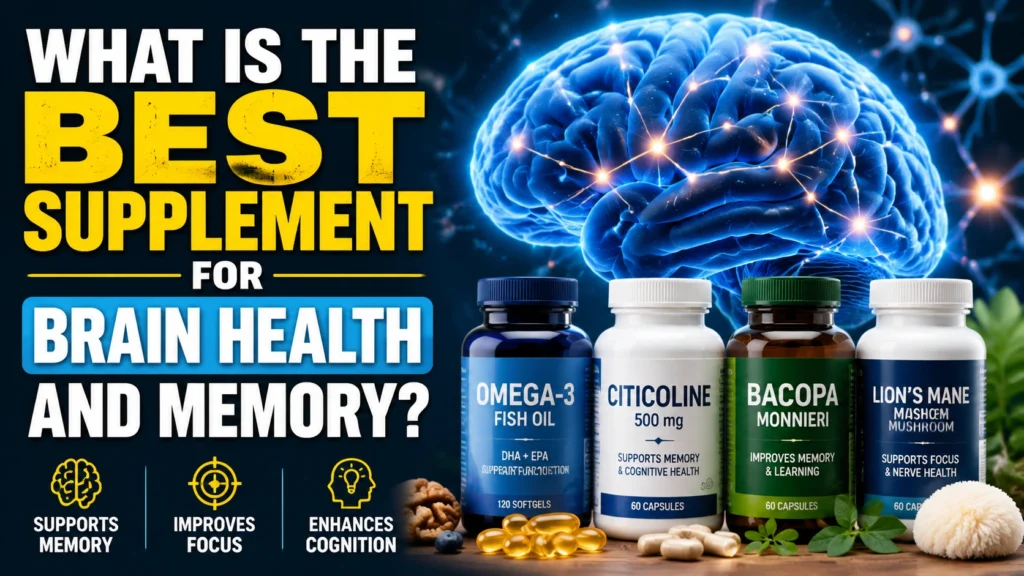

There is no single “magic pill.” But the most evidence-backed supplements for brain health and memory include Omega-3 fatty acids (DHA/EPA), Creatine, Citicoline, B Vitamins (especially B12, B6, and folate), Magnesium L-threonate, and Lion’s Mane mushroom. Multivitamins have also shown promise in slowing cognitive decline in older adults.
Bottom line: Supplements work best when paired with quality sleep, regular exercise, and a brain-healthy diet. Always consult your doctor before starting any new supplement regimen.
1. 🧠 Why Your Brain Deserves the Best
We live in a world of constant distractions, information overload, and rising stress. Your brain works 24/7 — processing thoughts, memories, emotions, and decisions. Yet most of us treat it like an afterthought.
The brain health supplements market is projected to reach $22.6 billion by 2033. But with so many options, how do you separate hype from hope? The science is clear on several ingredients — and some are genuinely worth your attention.
🔬 Key Insight: Research shows that certain supplements can support memory, focus, and long-term cognitive health — but they’re not a substitute for healthy habits.
2. 🏆 Top Evidence-Backed Supplements for Brain Health
🐟 Omega-3 Fatty Acids (DHA & EPA)
Why it works: Essential for brain cell structure and flexibility. DHA is a major structural component of the brain.
Best for: Overall brain health, memory support, reducing inflammation. Among the most promising brain-boosting supplements.
⚡ Creatine Monohydrate
Why it works: Fuels the brain — may boost short-term memory and reasoning.
Best for: Mental energy, memory, cognitive performance — especially in older adults.
🧬 Citicoline
Why it works: Supports acetylcholine production (key for focus and memory) and brain cell membrane health.
Best for: Memory, brain energy, healthy neurotransmitter function.
🌿 Lion’s Mane Mushroom
Why it works: May support cognitive function, protect against neurodegeneration, and support regeneration after brain injury.
Best for: Long-term brain health and mild memory support.
💊 B Vitamins (B6, B9/Folate, B12)
Why it works: Help break down foods into brain energy and are crucial for making brain chemicals. Deficiency negatively impacts memory.
Best for: Energy production, homocysteine management, overall brain function.
🧠 Magnesium L-threonate
Why it works: Crosses the blood-brain barrier — promising for cognition, mood, and sleep quality.
Best for: Memory, focus, and sleep support.
3. 🎯 How to Choose the Right Supplement for You
⚠️ Pro Tip: Start with one supplement at a time. Give it 4–6 weeks to assess effects. And always — always — consult your healthcare provider.
4. 🏃 Lifestyle Factors That Amplify Results
Even the best supplement can’t outrun a bad lifestyle. Here’s what the experts agree on:
- 😴 Quality Sleep: 7–9 hours. Non-negotiable.
- 🏋️ Regular Exercise: Boosts blood flow to the brain.
- 🥗 Mediterranean-style Diet: Rich in healthy fats, antioxidants, and whole foods.
- 🧩 Mental Stimulation: Puzzles, learning new skills, and cognitive challenges build brain reserve.
- 🧘 Stress Management: Chronic stress shrinks the hippocampus (memory center).
5. FAQs
Q1: What is the single best supplement for brain health and memory?
A: There is no single “best” — different ingredients serve different purposes. Omega-3 DHA is widely considered the most essential for overall brain structure, while Citicoline and Creatine excel at memory and mental energy. For older adults, daily multivitamins have shown significant cognitive benefits.
Q2: Do brain supplements actually work?
A: Yes — with caveats. Some supplements like Omega-3s, creatine, and B vitamins have solid scientific backing. However, many products make exaggerated claims. Harvard Health notes that no supplement has been proven to prevent memory loss, but several can support cognitive function.
Q3: Can I take multiple brain supplements together?
A: Yes, many ingredients are complementary. For example, Omega-3s + B vitamins + Citicoline can work synergistically. However, always consult a doctor — especially if you take medications or have health conditions.
Q4: How long does it take for brain supplements to work?
A: Most supplements take 4–8 weeks of consistent use to show noticeable effects. Some (like caffeine or L-theanine) work within hours, but structural nutrients like Omega-3s require cumulative intake.
Q5: Are there any side effects?
A: Most brain supplements are well-tolerated, but side effects can include digestive upset, headaches, or interactions with medications. Always start with a lower dose and consult your healthcare provider.
6. 💡 Final Thoughts
The quest for better brain health isn’t about finding a single miracle pill — it’s about building a holistic approach. Combine evidence-backed supplements with quality sleep, exercise, and mental stimulation. And remember: consistency beats intensity every time.
🔥 Shoutout Box
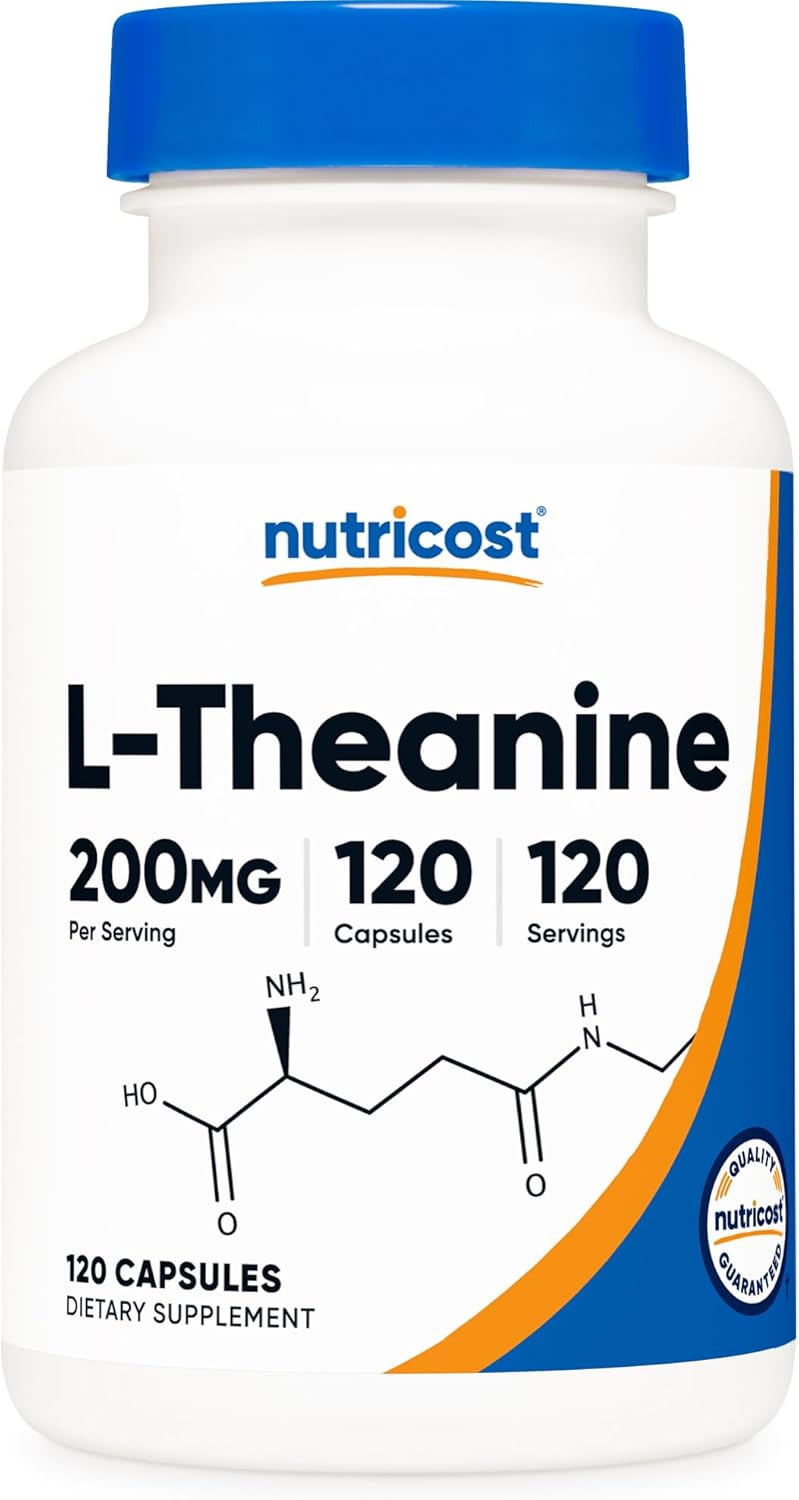
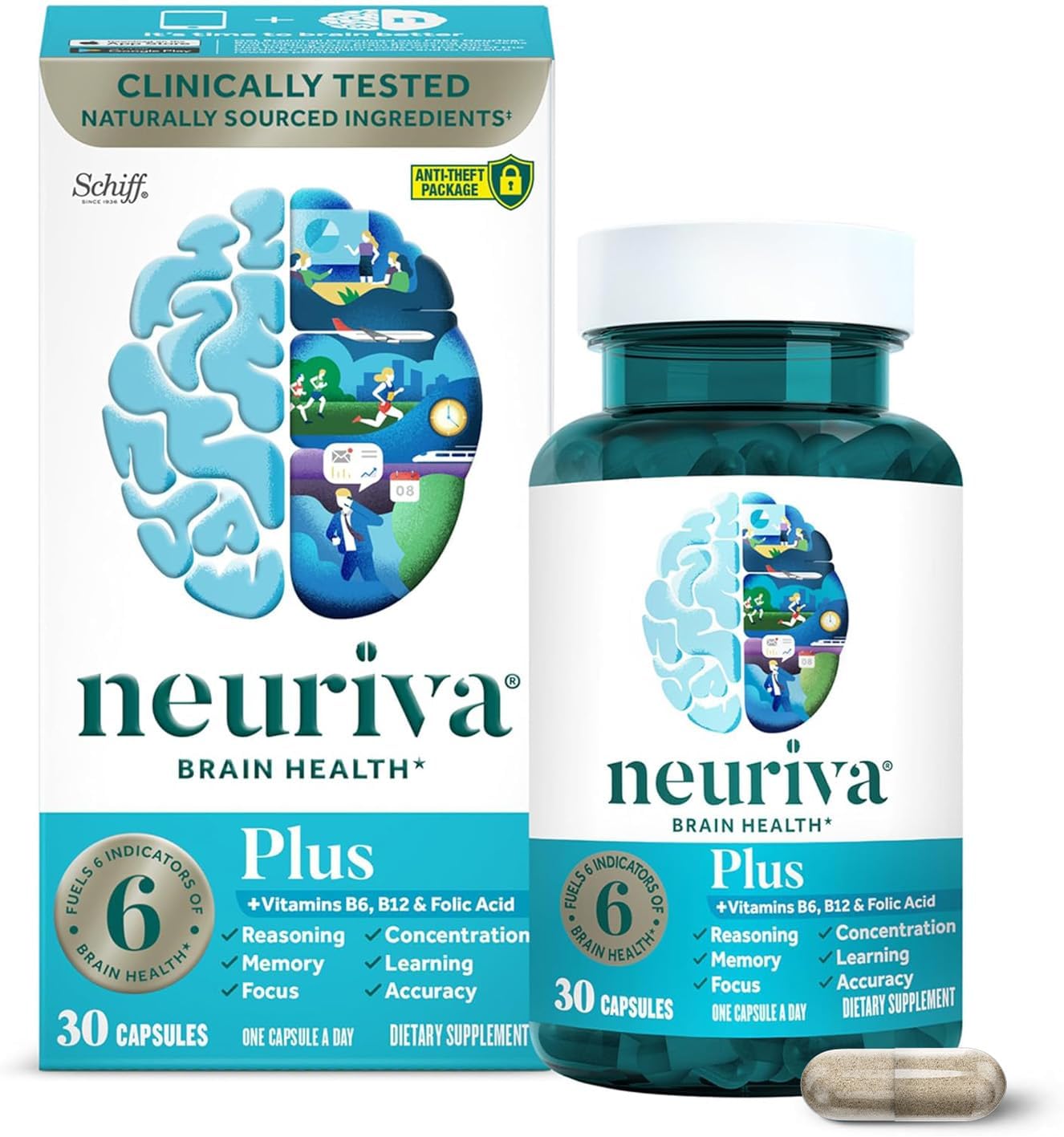
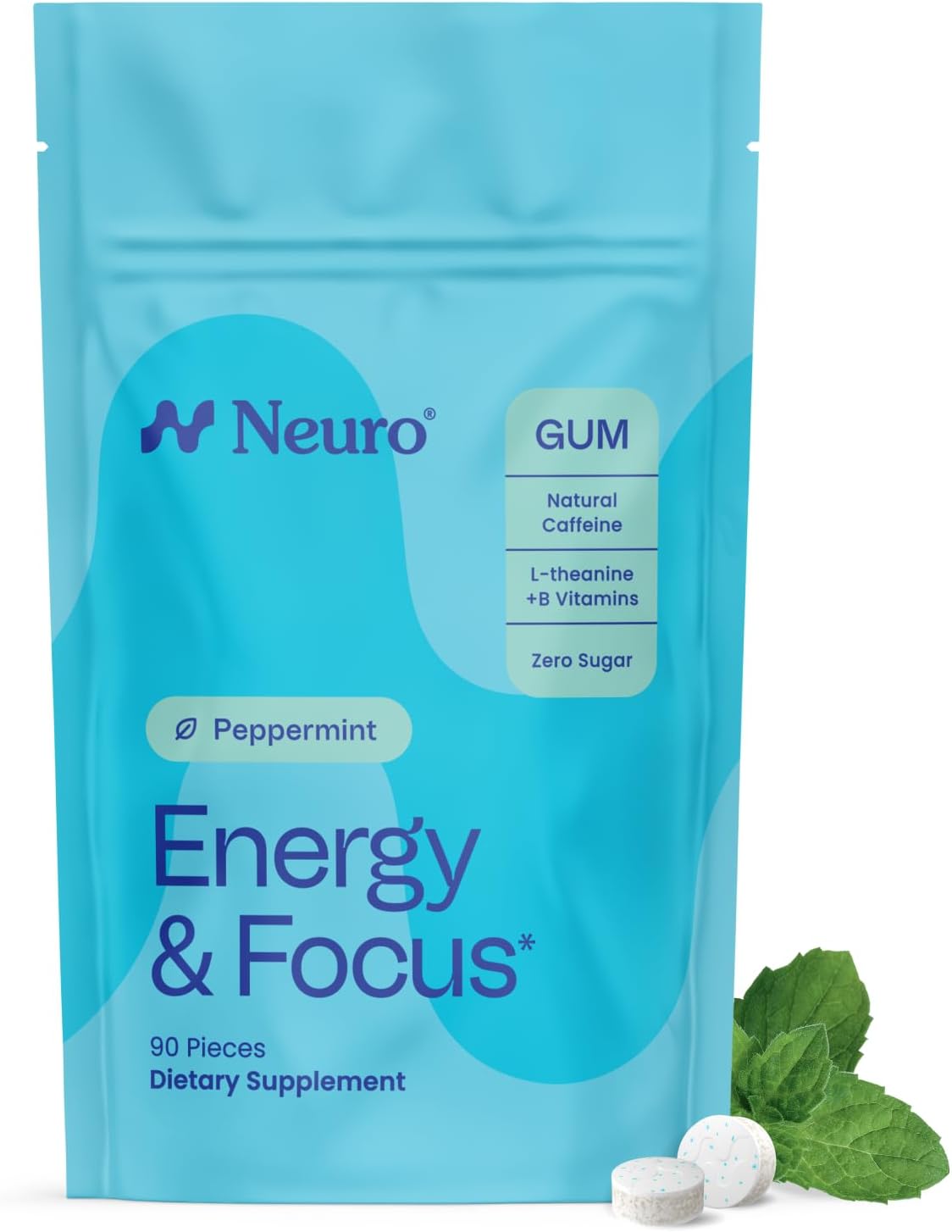
Looking for high-quality brain health supplements? Check out these top-rated options to support your memory, focus, and cognitive performance:
⚠️ Disclaimer: This article is for informational and educational purposes only and does not constitute medical advice. The statements made about dietary supplements have not been evaluated by the Food and Drug Administration (FDA). These products are not intended to diagnose, treat, cure, or prevent any disease. Always consult a qualified healthcare professional before starting any supplement, especially if you are pregnant, nursing, taking medications, or have a medical condition. Individual results may vary.