
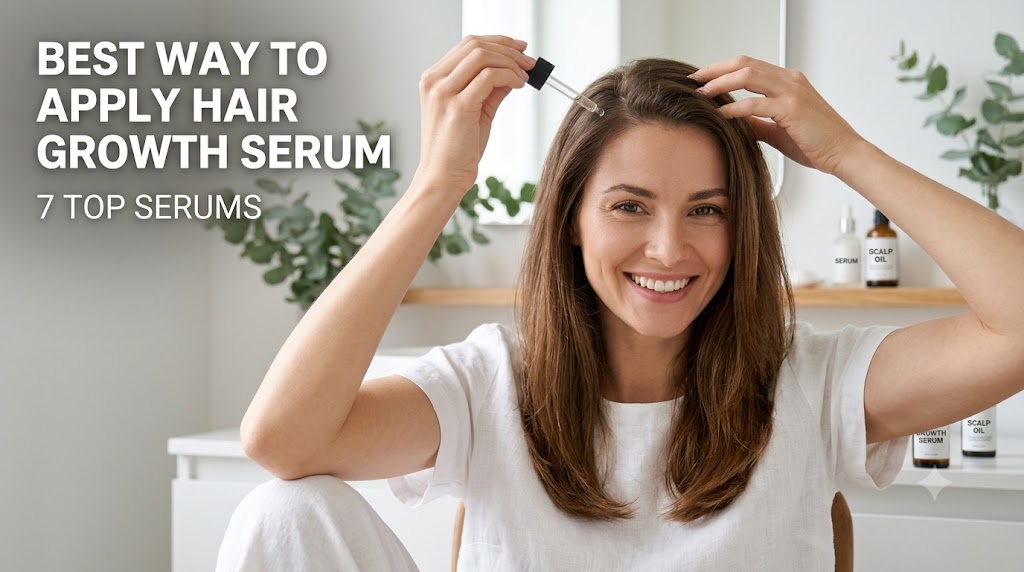

What Is the Best Way to Apply Hair Growth Serum? If you are spending money on a serum to fight thinning hair, the application method can make the difference between visible regrowth and wasted effort. The short answer: the best way is to apply the serum directly to a clean, dry scalp (not the hair shafts), part your hair to expose the thinning areas, use the correct dose (usually 1 mL for liquid minoxidil), massage gently, and then leave it undisturbed for at least 2 to 4 hours so it can absorb. Most people see meaningful results only after 4 months of consistent use, and stopping abruptly can reverse the gains.
Below, I break down the exact application steps dermatologists and drug labels recommend, compare the top serum options worth buying, and flag what to verify before you spend money.
Quick Verdict: What Actually Works
If your goal is evidence-backed regrowth, the most reliable option remains 5% topical minoxidil, the only FDA-approved over-the-counter topical drug for androgenetic alopecia. A 2024 systematic review found that 5% topical minoxidil produced a 82% response rate in alopecia areata, significantly higher than lower concentrations. However, minoxidil is not a cosmetic “hair wellness” serum—it is a drug with specific application rules, and it does not work for everyone.
For readers who want a non-drug, cosmetic serum to support scalp health or reduce shedding, evidence is generally weaker. Rosemary oil has moderate clinical support and may be comparable to 2% minoxidil in some studies, but it requires dilution and months of consistent use. Peptide and caffeine serums are popular, but most lack large independent trials proving regrowth.
The bottom line: The “best” serum depends on whether you have a diagnosable hair-loss condition or simply want scalp support. Application discipline matters more than the brand for any serum you choose.
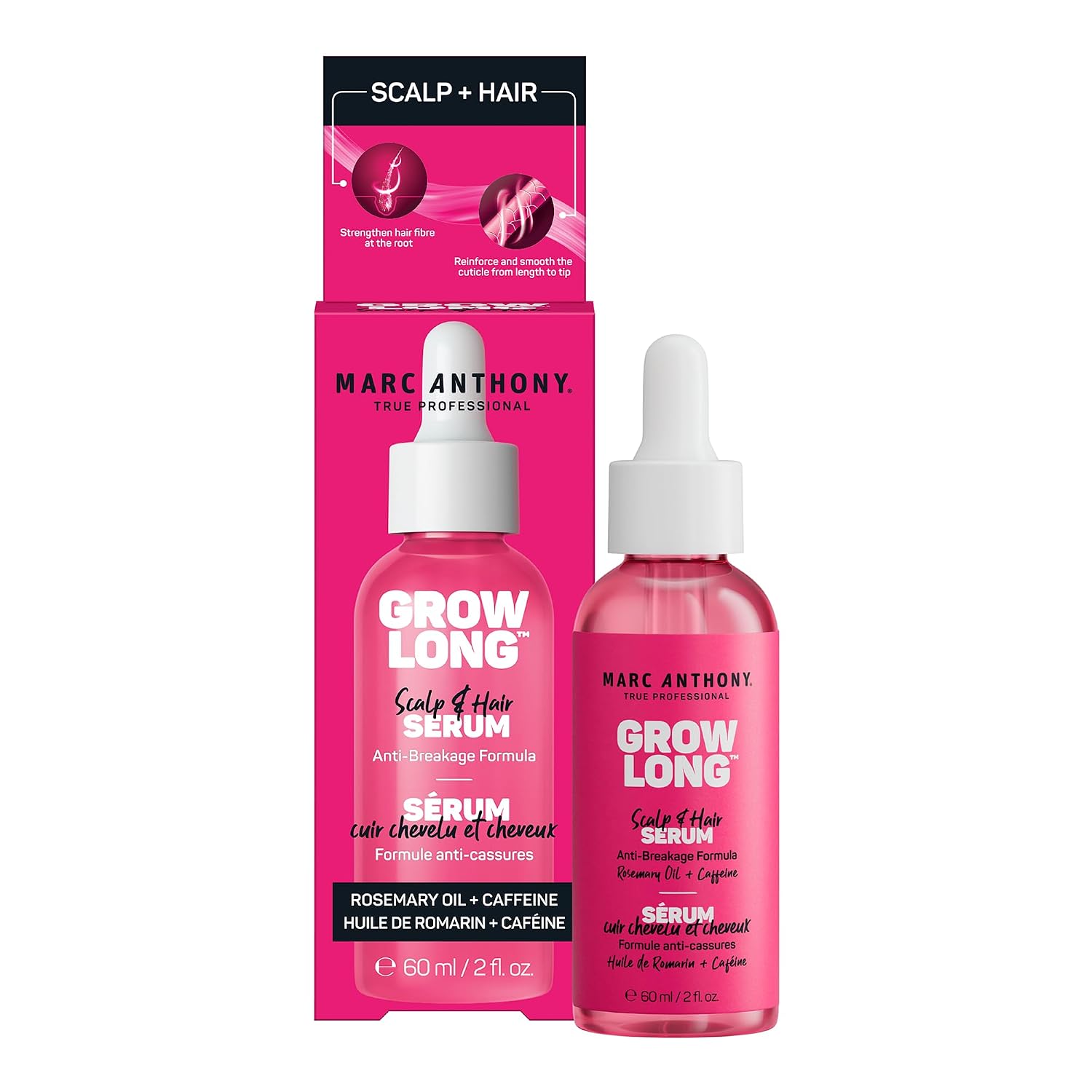
👉 Check current price on Amazon
Ready to compare options? Check current pricing, ingredient lists, and customer reviews for top-rated hair growth serums at our verified partner.
👉 View Current Hair Serum OffersTable of Contents
The Best Way to Apply Hair Growth Serum (Step-by-Step)
The application method I describe here follows FDA-approved drug labeling for 5% minoxidil and dermatologist guidance for cosmetic serums. If your serum has its own instructions, follow those first.
Step 1: Start With a Clean, Completely Dry Scalp
Wash your hair with a mild shampoo and dry the scalp thoroughly. Moisture can dilute the product, interfere with absorption, and increase irritation risk. If you shower at night, apply the serum the next morning—or wait at least 2 to 3 hours after washing before applying.
Step 2: Part Your Hair to Expose the Scalp
Use a comb or your fingers to create clear partings in the thinning areas. The serum must reach the scalp skin, not sit on the hair shafts. The drug label specifically instructs users to “part your hair into one or more rows to expose the area on the scalp where hair loss” is occurring.
Step 3: Measure the Correct Dose (Do Not Over-Apply)
For liquid minoxidil, the standard dose is 1 mL per application—do not exceed 2 mL per day. Using more will not speed up results and may increase side effects. For foam minoxidil, approximately half a capful is the standard dose. For cosmetic serums, follow the bottle’s dropper markings.
Step 4: Apply Directly to the Scalp, Then Massage Gently
Use the dropper to place 2 to 3 drops at a time directly onto the target scalp area, then spread with your fingertips. Massage for 2 to 5 minutes to distribute the product and support blood flow. A gentle massage also helps you avoid missing spots.
Step 5: Wash Your Hands Immediately
Minoxidil and many active serums can cause unwanted hair growth if transferred to the face or other body areas. Wash hands thoroughly with soap and water right after application.
Step 6: Leave It Alone for at Least 2 to 4 Hours
This is where many users fail. The drug label recommends allowing approximately 2 to 4 hours for complete absorption before washing, styling, or sleeping on the treated area. For foam formulas, absorption is faster, but you should still avoid washing for at least 1 to 2 hours. If you apply at night, do it several hours before bed so the product does not rub onto your pillowcase.
Step 7: Be Consistent—and Expect a Shedding Phase
You may notice increased hair shedding in the first few weeks of minoxidil use. This is normal and reflects older hairs cycling out to make way for new growth. Do not panic and stop. Visible results typically require at least 4 months of twice-daily use for men (or once-daily for women, per many dermatology protocols). Missing doses is the biggest predictor of failure—one analysis noted that inconsistent application is the primary obstacle to treatment success.
Compare minoxidil and non-drug serum options side by side. Check current availability and pricing through our verified partner.
👉 Explore Hair Regrowth Options7 Hair Growth Serums Worth Buying for Better Results
The products below are selected because they have verifiable ingredient information, clear application instructions, and either regulatory status or meaningful clinical rationale. I have not personally tested every product, and I do not claim to have verified current prices or stock. Always check the official product page for the most current formula and pricing.
1. 5% Minoxidil Topical Solution (Generic or Branded)
Why it stands out: This is the only FDA-approved OTC topical treatment for androgenetic alopecia. Generic 5% minoxidil solutions are widely available and typically cost less than branded foams. The drug label provides clear dosing (1 mL twice daily for men, often once daily for women) and application instructions.
Application note: The liquid contains propylene glycol, which can irritate sensitive scalps. If you experience stinging or redness, a propylene-glycol-free foam may be better tolerated.
Limitations: Response rate in the general population is roughly 30–40% for significant improvement. It requires indefinite use to maintain results.
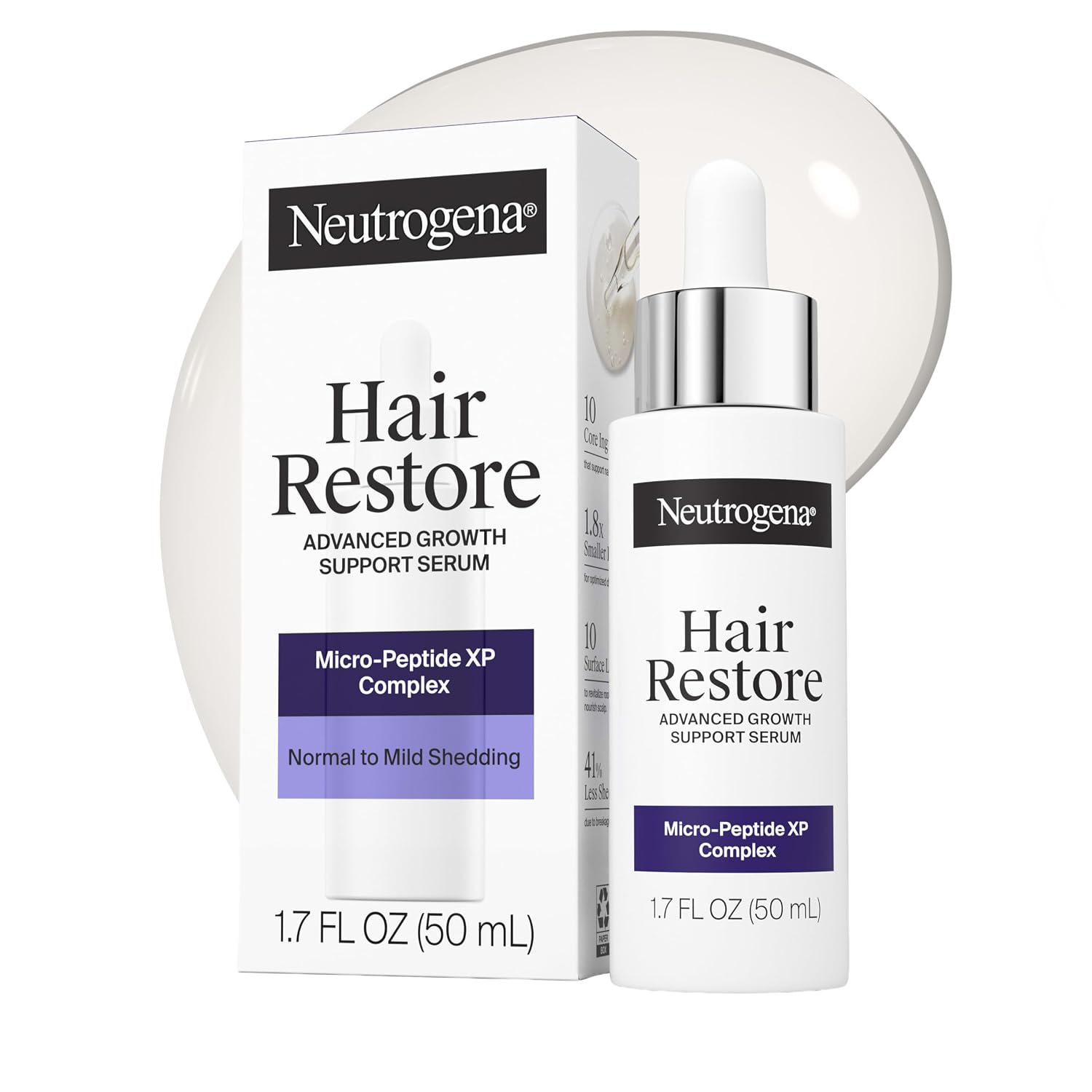
👉 Check current price on Amazon
2. Rosemary Oil (Diluted with a Carrier Oil)
Why it stands out: Cleveland Clinic dermatologists note that rosemary oil has been found as effective as 2% minoxidil for encouraging hair regrowth in some studies, likely due to antioxidant and anti-inflammatory effects. It is a reasonable option for people who want to avoid drug ingredients or have mild, early-stage thinning.
How to apply: Never apply undiluted rosemary essential oil to the scalp. Mix a few drops into a carrier oil such as jojoba or coconut oil, massage into the scalp, and leave it on for at least a few hours—many dermatologists suggest applying at night and washing in the morning. Use two to three times per week and allow six months for meaningful improvement.
Limitations: Not recommended during pregnancy or breastfeeding. Overuse can cause scalp irritation, burning, and follicle damage.
3. Peptide-Based Cosmetic Serums (e.g., The Ordinary Multi-Peptide Serum for Hair Density)
Why it stands out: Peptide serums are lightweight, non-greasy, and easy to incorporate into a daily routine. They typically contain a combination of peptides, caffeine, and botanical extracts intended to support the scalp environment and reduce shedding. They are not drugs and are not intended to treat diagnosed hair loss.
How to apply: Apply a few drops to a clean, dry scalp at night, massage in, and leave on. Most do not require a waiting period before styling.
Limitations: Independent clinical evidence for regrowth is limited. These serums are best viewed as supportive care rather than primary treatment.
4. Caffeine-Based Serums
Why it stands out: Caffeine is a common ingredient in cosmetic hair serums. In vitro studies suggest caffeine may stimulate hair follicle cells, but human evidence for meaningful regrowth is weak. These serums are often affordable and cosmetically elegant.
Application note: Follow the bottle instructions. Caffeine serums are usually applied once daily to a dry or towel-dried scalp.
Limitations: Do not expect minoxidil-level results. Caffeine serums are a low-risk add-on, not a replacement for proven treatment if you have clinical hair loss.
5. 2% Minoxidil Solution (for Women)
Why it stands out: The 2% concentration is FDA-approved for women and may reduce the risk of unwanted facial hair compared with 5% formulas. Some dermatologists still recommend 5% once daily for women, but 2% is a reasonable starting point for sensitive scalps or first-time users.
Application note: The dosing and technique are the same as 5% liquid: 1 mL to the scalp, massage, leave for 2–4 hours.
6. Minoxidil Foam (5% for Men, 2% or 5% for Women)
Why it stands out: Foam formulas are propylene-glycol-free (in most cases) and dry faster than liquids, making them easier for people with sensitive scalps or busy mornings. Absorption is superficial but adequate.
Application note: Rinse your hands with cold water and dry them before dispensing the foam. Apply half a capful to the scalp and massage until it disappears.
Limitations: Foam can be harder to target precisely on long hair. Some users find it less cost-effective than liquid.
7. Anti-Shedding Serums (Aminexil, Peptides, or Botanical Actives)
Why it stands out: If your primary concern is excessive shedding rather than visible bald patches, an anti-shed serum may be more appropriate. These products aim to reduce the telogen (resting) phase and support hair anchoring. Ingredients like aminexil are specifically marketed for this purpose.
Application note: These are typically applied daily to the scalp and left on. They do not require the same 4-hour absorption window as minoxidil.
Limitations: They do not regrow hair in areas that are already bald. They are best for early intervention and maintenance.
Comparison Table: Key Ingredients and Practicality
| Product Category | Key Active | Evidence Level | Application Frequency | Key Limitation |
|---|---|---|---|---|
| 5% Minoxidil Liquid | Minoxidil 5% | FDA-approved; 82% response in one review | 1 mL twice daily (men); often once daily (women) | Irritation from propylene glycol; 4-month commitment |
| Minoxidil Foam | Minoxidil 2% or 5% | Same active as liquid | Half capful daily | Less precise targeting; may be pricier |
| Rosemary Oil (diluted) | Rosmarinus officinalis | Comparable to 2% minoxidil in some studies | 2–3 times weekly; leave on hours | Must dilute; not for pregnancy |
| Peptide Serums | Peptides, caffeine, botanicals | Limited independent regrowth data | Once daily | Cosmetic support, not a drug |
| Anti-Shed Serums | Aminexil, peptides | Moderate for shedding reduction | Once daily | Does not regrow bald areas |
What to Verify Before You Buy
If you have sudden, patchy, or severe hair loss, see a dermatologist first. Topical serums are not appropriate for all types of hair loss. Minoxidil is not intended for sudden patchy loss, unexplained hair loss, or hair loss after childbirth without medical guidance.
Check the ingredient list for allergens. Propylene glycol in liquid minoxidil causes irritation in about 5.7% of users; foams without propylene glycol are an alternative. Fragrance-free formulas are safer for sensitive scalps.
Confirm the concentration. A 2024 meta-analysis found 5% topical minoxidil was significantly more effective than lower concentrations in alopecia areata. Do not assume a “stronger” cosmetic serum is better—many cosmetic serums contain no proven regrowth actives at all.
Understand the cost of consistency. Minoxidil must be used indefinitely to maintain benefits. If you stop, you will likely lose the regrown hair within months. Budget for ongoing supply, not a one-time purchase.
Verify third-party testing for cosmetic serums. The FDA does not regulate cosmetic hair serums for purity or efficacy the way it regulates OTC drugs. Look for brands that publish third-party testing or use pharmaceutical-grade ingredients.
Frequently Asked Questions
How long does it take to see results from hair growth serum?
For minoxidil, expect at least 4 months of consistent use before visible improvement, with maximal results at 9 to 12 months. Rosemary oil may require six months of two-to-three-times-weekly use. Cosmetic peptide serums have no reliable timeline.
Can I apply serum to damp hair?
Minoxidil labeling recommends a clean, dry scalp for best absorption. Some cosmetic serums can be applied to towel-dried hair, but check your product’s instructions. Moisture can dilute drug actives and increase irritation.
What happens if I miss a dose?
Resume your normal schedule. Do not double the dose to “catch up.” Consistency matters more than perfection—one missed application will not erase progress, but frequent gaps will reduce effectiveness.
Can I use other styling products after applying serum?
For minoxidil, wait until the product is completely dry before applying gels, mousses, or other styling products. For cosmetic serums, follow the label. In general, apply the serum first, let it absorb, then style.
Is hair shedding after starting serum normal?
Yes, with minoxidil, a temporary increase in shedding in the first few weeks is a known and expected effect. It indicates that old hairs are cycling out to be replaced. If shedding is severe or persists beyond 2 months, consult a doctor.
Compare current hair serum options and pricing. Your next step toward better results starts with the right product.
👉 Check Availability and IngredientsFinal Verdict
What is the best way to apply hair growth serum? The best method is direct-to-scalp application on clean, dry skin, with the correct measured dose, gentle massage, and a minimum 2-to-4-hour absorption window before washing or sleeping. No serum will work if it sits on your hair instead of your scalp, or if you apply it inconsistently.
For proven regrowth: Choose 5% minoxidil and follow the drug label exactly. It is not glamorous, but it has the strongest evidence and a clear application protocol. If your scalp is sensitive, try a propylene-glycol-free foam.
For early thinning or scalp support: A diluted rosemary oil or a peptide serum is a reasonable, lower-risk starting point, provided you understand that the evidence is weaker and results are not guaranteed.
Before buying anything: Confirm you do not have a medical condition causing your hair loss. A dermatologist can distinguish between androgenetic alopecia, telogen effluvium, and other treatable causes. A serum cannot fix a thyroid problem or an iron deficiency.
References
- DailyMed (FDA). 5% Minoxidil Hair Regrowth Kit—Directions.
- Majewski M, et al. J Clin Med. 2024. Minoxidil in Alopecia Areata: Systematic Review.
- Advanced Hair Clinics. Minoxidil 5%: Solution vs Foam Application Guide.
- U.S. News Health. Best Hair Growth Serums and Oils.
- Cleveland Clinic. Rosemary Oil for Hair: How It Works.
- Vogue. Hair Growth vs. Anti-Shed Serums.
- MyHealth Alberta. Minoxidil—Topical Instructions.
- PubMed. Topical Minoxidil Response and SULT1A1.