
Table of Contents
- Why Vitamin B12 Levels Matter After 60
- B12-Free vs. Low-B12 Formulas: What’s the Difference?
- Medical Caution: Elevated B12 Needs Evaluation
- Pros and Cons of Very High B12 Levels
- Possible Causes of High B12 & Investigations
- Dietary Strategies: What to Eat and What to Avoid
- The 10 Best Multivitamins Without Vitamin B12
- FAQs
- Citations & FDA Status
- Disclosure, Disclaimer & PS
1. Why Vitamin B12 Levels Matter After 60
As we age, the body’s ability to absorb Vitamin B12 from food declines. Traditionally, clinicians have focused on deficiency, which can cause fatigue, neuropathy, and cognitive decline. However, the opposite scenario—elevated serum B12—is increasingly encountered, largely due to widespread supplementation, fortified foods, and, in some cases, underlying disease.
For adults over 60 who have been advised to limit B12, selecting a multivitamin without added B12 is a sensible first step. But it is essential to distinguish between a truly B12-free multivitamin for seniors and a “low-B12” product that still contains small amounts. This guide helps you tell the difference and choose wisely.
2. B12-Free vs. Low-B12 Formulas: What’s the Difference?
This is the single most important distinction when shopping for senior multivitamins without vitamin B12.
| Feature | Genuinely B12-Free Formula | Low-B12 Formula |
|---|---|---|
| Supplement Facts label | Vitamin B12 = 0 mcg or not listed at all | Vitamin B12 = typically 1–25 mcg (often <100% DV) |
| Ingredient list | No cyanocobalamin, methylcobalamin, adenosylcobalamin, or hydroxocobalamin | Contains one of the above cobalamins at a reduced dose |
| Hidden sources | No “B-Complex” blends, no “energy blend” with B12, no nutritional yeast fortified with B12 | May hide B12 inside proprietary “B-Complex” or “energy” blends |
| Best for | Adults with confirmed elevated B12 who want zero supplemental B12 | Adults at risk of deficiency who still want a small safety margin |
| Risk of mislabeling | Low—but always verify third-party testing | Moderate—”low” is not a regulated term |
3. Medical Caution: Elevated B12 Needs Evaluation
4. Pros and Cons of Very High B12 Levels
Pros (Therapeutic or Necessary Contexts)
- Low toxicity: Vitamin B12 is water-soluble; excess is generally excreted in urine, unlike fat-soluble vitamins.
- Neurological protection: High doses are used medically to prevent irreversible nerve damage in severe deficiency.
- No established upper limit: The FDA has not set a Tolerable Upper Intake Level (UL) for B12 because of its low toxicity profile.
Cons (Risks of Excessive Levels)
- Masking underlying disease: High B12 without supplementation can signal liver disease, blood cancers, or kidney failure.
- Diagnostic confusion: Supplement-driven high B12 can obscure the interpretation of other lab results.
- Rare dermatologic effects: Some case reports link high-dose B12 to acneiform eruptions.
- Medication interactions: High B12 may interact with certain drugs and interfere with diagnostic tests.
5. Possible Causes of High B12 & How to Investigate
Possible Causes
- Excessive supplementation: Pills, injections, energy drinks, and fortified foods—the most common cause.
- Diet: Heavy intake of fortified cereals, nutritional yeast, or organ meats (liver, kidney).
- Liver disease: The liver stores B12; hepatocellular damage releases it into circulation.
- Myeloproliferative blood disorders: Leukemia and related conditions can increase B12-binding proteins.
- Kidney dysfunction: Impaired filtration can lead to elevated serum levels.
- Inflammatory or autoimmune conditions: Some studies link elevated B12 to systemic inflammation.
Investigations to Be Done
- Supplement and diet review: Discontinue all B12-containing products for 1–2 months (under medical supervision).
- Complete Blood Count (CBC): Screen for myeloproliferative disorders.
- Liver Function Tests (LFT): Rule out hepatic pathology.
- Renal panel: Assess kidney function.
- Methylmalonic Acid (MMA) and homocysteine: Determine whether B12 is functionally active.
- Haptocorrin / transcobalamin levels: In specialist settings, to distinguish binding-protein elevation from true excess.
6. Dietary Strategies: What to Eat and What to Avoid
Whole foods are superior to processed and fortified products when managing B12 intake.
What to Eat
- Whole grains: Brown rice, oats, barley, and quinoa.
- Fresh vegetables and legumes: Lentils, chickpeas, and beans.
- Fermented cereal–pulse combinations: Idli or dosa batter made from millet and urad dal provides a balanced amino acid profile.
- Eggs and dairy in moderation (unless your doctor advises otherwise).
What to Avoid
- Heavily fortified cereals with synthetic B12.
- Energy drinks loaded with B-vitamins.
- Organ meats such as liver and kidney (extremely high in B12).
- Ready-made sweetened millet mixes and highly refined millet flours that lose fiber and micronutrients.
Ask for whole grains rather than ready-made sweetened millet mixes or highly refined millet flour. Whole grains retain their fiber and nutrients. I would favour millet + urad dal fermentation for regular meals because it combines cereal and pulse proteins effectively, offering a balanced amino acid profile without the need for synthetic fortification.
7. The 10 Best Multivitamins Without Vitamin B12 for Adults Over 60
Below are our top picks for B12-free multivitamins for seniors. Each card includes the product image, key details, and current price comparison. Always verify the Supplement Facts panel before purchase—formulations can change.
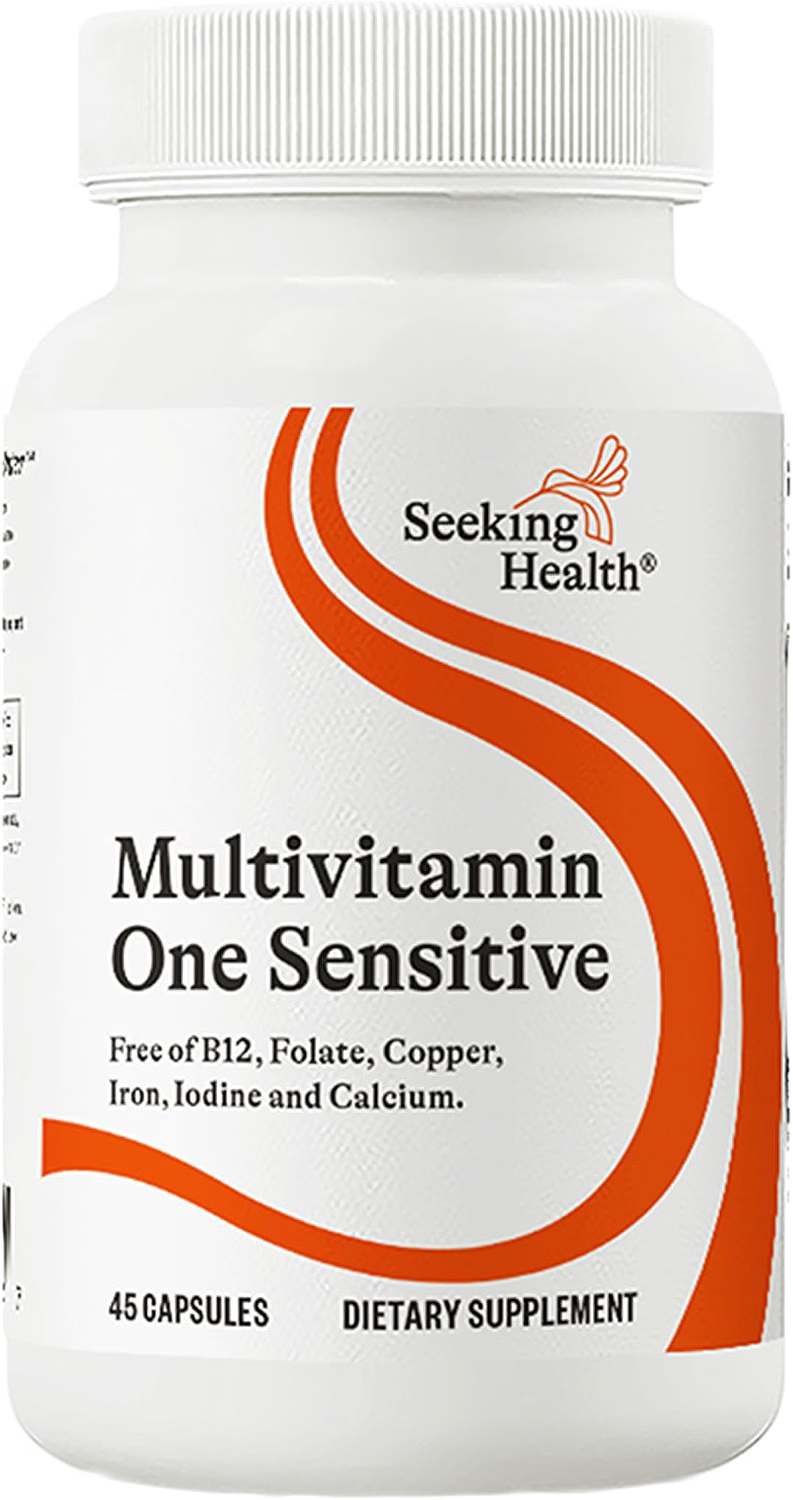
A comprehensive blend of essential minerals and vitamins excluding B12 to help maintain balance. Ideal for those monitoring their levels. Third-party tested for label accuracy.
Price: Check on AmazonCheck Price on Amazon
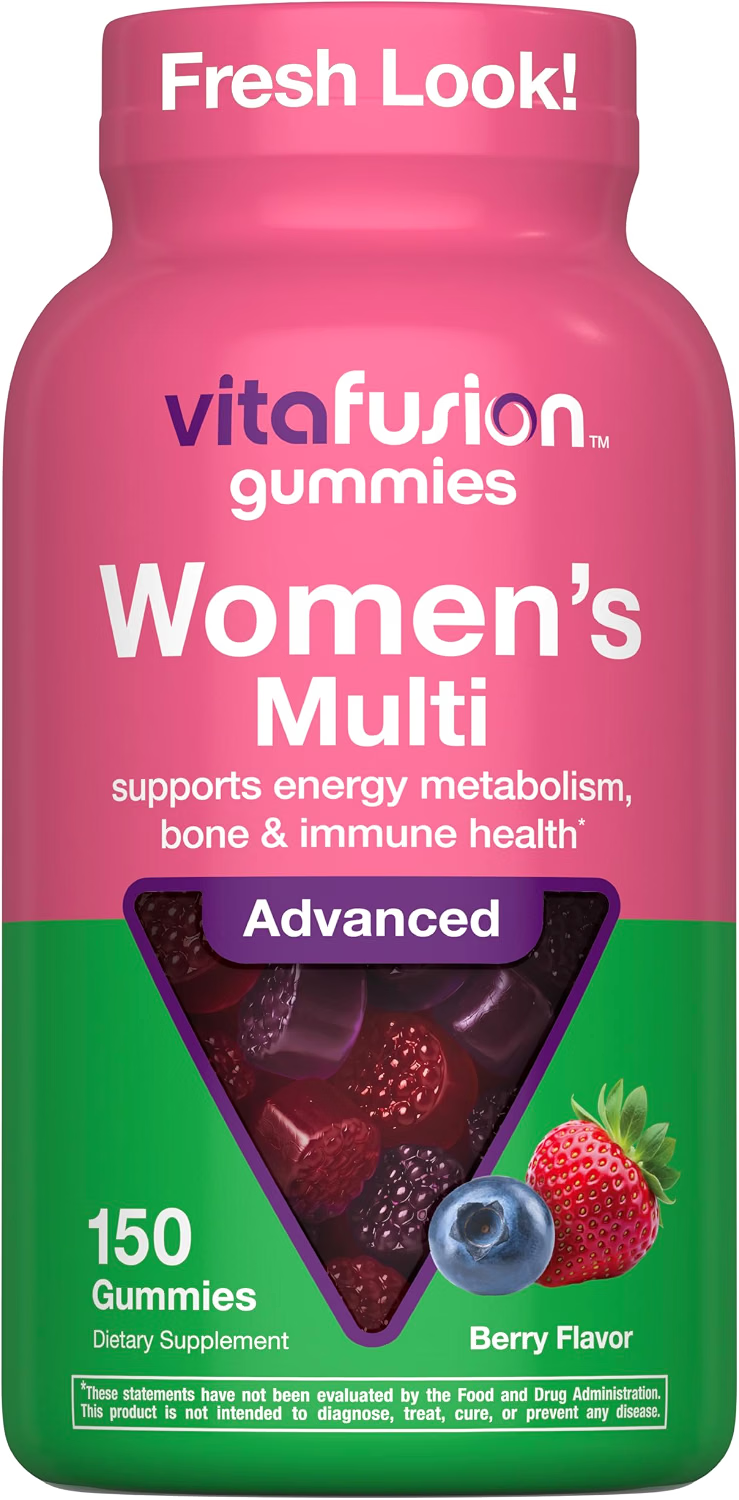
Formulated with organic whole foods. Contains no synthetic B12, focusing on bioavailable Vitamin C, D, and Zinc. Ideal for seniors seeking a multivitamin without added B12.
Price: Check on AmazonCheck Price on Amazon
Calcium, Vitamin D3, Magnesium, and Vitamin K2—no B-complex, no B12. A focused formula for B12-free vitamins for men and women over 60 concerned with bone density and cardiovascular support.
Price: Check on AmazonCheck Price on Amazon
Vitamin C, E, Selenium, and Zinc with no cobalamin. Designed for vitamins for seniors with high B12 levels who still want antioxidant and immune support.
Price: Check on AmazonCheck Price on Amazon
Plant-based capsule with iron, Vitamin D, and B-vitamins except B12. Suitable for vegetarians seeking a senior multivitamin without vitamin B12.
Price: Check on AmazonCheck Price on Amazon
Lutein, zeaxanthin, Vitamin C, and Zinc—no cobalamin. A targeted multivitamin without added B12 for visual and cognitive support in later life.
Price: Check on AmazonCheck Price on Amazon
Zinc, Magnesium, and Lycopene with no B12. Formulated for B12-free vitamins for men over 60 who want prostate and cardiovascular support without extra cobalamin.
Price: Check on AmazonCheck Price on Amazon
Iron-free, calcium-rich formula with Vitamin D3 and K2—no B12. Designed as one of the B12-free multivitamins for seniors focused on bone and hormonal health after menopause.
Price: Check on AmazonCheck Price on Amazon
This is a LOW-B12 formula, not a B12-free formula. Contains 1 mcg (40% DV) of cyanocobalamin—appropriate only for those advised by a clinician to keep a small safety margin rather than eliminate B12 entirely.
Price: Check on AmazonCheck Price on Amazon
A mineral-forward formula (Magnesium, Zinc, Selenium, Chromium) with Vitamins D and C, and 0 mcg B12. A straightforward pick for adults who want a genuinely B12-free daily supplement.
Price: Check on AmazonCheck Price on Amazon
8.FAQs
A genuinely B12-free multivitamin lists 0 mcg of Vitamin B12 on the Supplement Facts panel and contains no cobalamin in the ingredient list. A low-B12 formula still contains B12—typically 1–25 mcg—often hidden inside a “B-Complex” or “energy” blend. For adults with confirmed elevated B12, a genuinely B12-free formula is the safer choice.
Yes, provided you still obtain adequate B12 from dietary sources or as directed by your doctor. If you are vegan, have pernicious anemia, or have absorption issues, you must not eliminate B12 without medical guidance.
High B12 itself is generally non-toxic and rarely causes direct symptoms. However, the underlying conditions that raise B12—liver disease, blood disorders, kidney dysfunction—can cause fatigue, dizziness, and other symptoms. This is why medical evaluation is essential.
First, stop all B12-containing supplements and fortified foods under medical supervision. Recheck levels after 8–12 weeks. If levels remain elevated without supplementation, your doctor should order a CBC, liver function tests, renal panel, and possibly an MMA test to identify the cause.
Yes. Many senior formulas now offer B12-free versions, and gender-specific lines (men’s 60+ and women’s 60+) increasingly include zero-B12 options. Look for products that state “B12-Free” on the label and verify the Supplement Facts panel.
No, B12 is relatively heat-stable. However, boiling meat can leach some B12 into the cooking water. If you are managing high B12, focus on reducing fortified foods and supplements rather than cooking methods.
9. Citations & FDA Status
- National Institutes of Health (NIH), Office of Dietary Supplements. Vitamin B12 Fact Sheet for Health Professionals. https://ods.od.nih.gov/factsheets/VitaminB12-HealthProfessional/
- Association of High Vitamin B12 Levels with Mortality. JAMA Network Open. 2020.
- Harvard T.H. Chan School of Public Health. The Nutrition Source — Vitamin B12. https://www.hsph.harvard.edu/nutritionsource/vitamin-b12/
- Andrès E, et al. Vitamin B12 (cobalamin) deficiency in elderly patients. CMAJ. 2004.
- Arendt JF, Nexo E. Unexpected high plasma cobalamin: proposal for a diagnostic strategy. Clin Chem Lab Med. 2013.
- U.S. Food & Drug Administration. Dietary Supplement Labeling Guide. https://www.fda.gov/food/dietary-supplements
FDA Status: These statements have not been evaluated by the Food and Drug Administration. These products are not intended to diagnose, treat, cure, or prevent any disease. The information provided is for educational purposes only and is not a substitute for professional medical advice, diagnosis, or treatment.
10. Disclosure, Disclaimer & PS
Disclosure: This article is a participant in the Amazon Services LLC Associates Program, an affiliate advertising program designed to provide a means for sites to earn fees by linking to Amazon.com and affiliated sites. We may earn a commission if you purchase through links in this article, at no extra cost to you.
Disclaimer: The content on this page is for informational and educational purposes only. It is not intended as a substitute for professional medical advice. Always consult a qualified healthcare provider before starting any new supplement, changing your diet, discontinuing any medication, or if you have concerns about your Vitamin B12 levels. Elevated B12 may indicate a serious underlying condition and should be medically evaluated.
PS: If your bloodwork shows high B12, the first step is not to panic—it is to investigate. Ask your doctor for a CBC, liver function tests, and a renal panel. Then, choose a genuinely B12-free multivitamin for seniors rather than a “low-B12” one, and keep whole foods at the centre of your plate. And remember my favourite suggestion: Ask for whole grains rather than ready-made sweetened millet mixes or highly refined millet flour. The millet + urad dal fermentation approach remains one of the most balanced cereal–pulse combinations for regular meals.
© 2026 — All rights reserved. This page is for informational purposes only.