

Last updated: November 9, 2026
| Supplement | Best For | Evidence Grade | Worth It? |
|---|---|---|---|
| Omega-3 | Lowering triglycerides, general cardiovascular support | ★★★★☆ (Strong) | Yes — especially if you eat little fish |
| CoQ10 | Statin users, heart failure support, energy | ★★★☆☆ (Moderate) | Conditionally yes — best for statin users & older adults |
| Plant Sterols | Lowering LDL cholesterol | ★★★★☆ (Strong for LDL) | Yes, if LDL is your target — but diet first |
Bottom line: None of these replace a heart-healthy diet, exercise, or prescribed medication. But if you’re going to spend money on one heart supplement, omega-3 offers the broadest evidence base; plant sterols win for LDL specifically; and CoQ10 is a smart add-on for statin users.
Quick Q&A Snapshot
Q: Can I take all three together?
A: Generally yes, and many heart-health protocols do. But check with your doctor — especially if you take blood thinners (omega-3), statins (CoQ10), or cholesterol medication (plant sterols).
Q: Which one actually lowers cholesterol?
A: Plant sterols have the strongest LDL-lowering evidence (typically 7–10% reduction). Omega-3 lowers triglycerides more than LDL. CoQ10 does not meaningfully lower cholesterol.
Q: Are expensive supplements better?
A: Not necessarily. Look for third-party testing (NSF, USP, Informed Choice), proper dosing, and label transparency — not fancy packaging or celebrity endorsements.
Q: Do I even need supplements if I eat well?
A: If you eat fatty fish twice a week, your omega-3 needs may already be met. Plant sterols are naturally in vegetables and oils but rarely at therapeutic doses. CoQ10 levels decline with age and statin use — supplementation can make sense there.
Q: What’s the biggest waste of money?
A: Underdosed “proprietary blends,” supplements with no third-party testing, and mega-dose products marketed with miracle claims.
Introduction: The $10 Billion Question
Walk into any pharmacy or scroll through any online marketplace, and you’ll find shelves groaning under the weight of heart-health supplements. The global cardiovascular supplement market is worth billions — and it’s growing. But here’s the uncomfortable truth: most people buying omega-3, CoQ10, and plant sterols have no idea which one actually matches their health needs.
Worse, the marketing is designed to blur the lines. CoQ10 is sold as a “miracle for heart failure.” Omega-3 is pitched as a cure-all for everything from cholesterol to brain fog. Plant sterols get slapped onto margarine tubs like they’re magic.
So let’s cut through the noise. In this guide, we’ll compare omega-3, CoQ10, and plant sterols on the three things that matter: evidence, price, and real-world usefulness. We’ll tell you which ones are worth your money — and which ones you can safely skip.
🔔 Your Health, Your Choice — Make Us Your Preferred Source
Love evidence-based health journalism like this? Click the button below to select IntelliNewz as a preferred source on Google. It’s a free, one-click way to see more of our independent, research-driven content in your Google Search results.
👉 Add IntelliNewz as a Preferred Source on GoogleIt only takes a second, and it helps us keep independent heart-health reporting free for everyone.
💡 Sponsored Partner Spotlight — Before You Scroll Further
Want a heart-health stack you can trust? Our readers’ favorite, third-party-tested omega-3 brand is currently offering a limited-time bundle discount.
👉 Check the Current Heart-Health Bundle Deal →Disclosure: This is a sponsored/affiliate link. If you buy through it, we may earn a small commission at no extra cost to you. We only feature products we’d consider for our own families.
Meet the Contenders
Omega-3 Fatty Acids: The Heavyweight Champion
What it is: Omega-3s are essential fats — primarily EPA and DHA — found in fatty fish (salmon, sardines, mackerel), algae, and some plant sources (flaxseed, walnuts). Your body can’t make them efficiently, so you need them from food or supplements.
What it’s known for: Lowering triglycerides, reducing inflammation, and supporting overall cardiovascular health. Prescription-grade omega-3 (like icosapent ethyl) is FDA-approved for high triglycerides.
Typical dose: 1,000–2,000 mg combined EPA+DHA daily for general heart support; higher doses (2,000–4,000 mg) for triglyceride lowering — under medical supervision.
Price range: $15–$40 per month for a quality fish oil; algae-based options cost more.
The catch: Not all fish oil is created equal. Oxidation, low EPA/DHA content, and poor absorption are common problems. Look for third-party testing and a fresh, non-rancid smell.
CoQ10 (Coenzyme Q10): The Statin Sidekick
What it is: A naturally occurring antioxidant your cells use for energy production. Your body makes it, but levels decline with age — and statin medications can reduce CoQ10 production because they block the same pathway.
What it’s known for: Supporting heart muscle function, especially in heart failure. Some studies suggest CoQ10 may reduce statin-related muscle pain (though evidence is mixed). It’s also used for migraines and energy support.
Typical dose: 100–200 mg daily for general support; 200–300 mg for statin users; higher doses in heart failure (under medical supervision).
Price range: $15–$45 per month. Ubiquinol (the active form) costs more than ubiquinone.
The catch: Absorption is poor, especially for ubiquinone powder — take it with a fat-containing meal. Evidence for statin muscle pain relief is inconsistent, and it’s not a cholesterol-lowering supplement.
Plant Sterols & Stanols: The LDL Lowerers
What it is: Naturally occurring plant compounds that structurally resemble cholesterol. They compete with cholesterol for absorption in your gut, which is why they lower LDL (“bad”) cholesterol.
What it’s known for: A 7–10% LDL reduction at doses of about 2 grams per day — one of the best-evidenced natural cholesterol interventions. Found in fortified foods (margarines, yogurts) and supplements.
Typical dose: 2,000 mg (2 g) daily, split across meals.
Price range: $10–$30 per month for supplements; fortified foods vary.
The catch: They lower LDL but don’t improve cardiovascular outcomes on their own in major trials. Also, they can slightly reduce absorption of fat-soluble vitamins (A, D, E, K) and carotenoids — so timing and diet matter.
Head-to-Head Comparison Table
| Feature | Omega-3 | CoQ10 | Plant Sterols |
|---|---|---|---|
| Primary benefit | Triglycerides, inflammation | Cellular energy, heart muscle | LDL cholesterol |
| Strongest evidence | Triglyceride lowering, CV risk reduction | Heart failure support, statin users | LDL reduction (7–10%) |
| LDL impact | Minimal | None | Significant |
| Triglyceride impact | Significant | None | None |
| Best for | Low fish intake, high trigs | Statin users, age 40+ | High LDL, diet-first approach |
| Typical monthly cost | $15–$40 | $15–$45 | $10–$30 |
| Third-party testing critical? | Yes (oxidation) | Yes (potency) | Yes (purity) |
| Evidence grade | ★★★★☆ | ★★★☆☆ | ★★★★☆ (LDL only) |
| Worth it? | Yes | Conditionally | Yes, if LDL is your goal |
What the Science Actually Says
Omega-3: The strongest evidence supports triglyceride lowering, with meta-analyses showing meaningful reductions at 2–4 g/day of EPA+DHA. The REDUCE-IT trial found that high-dose icosapent ethyl reduced major cardiovascular events in people with elevated triglycerides — though that’s a prescription product, not an off-the-shelf fish oil. For general prevention, the picture is more modest, but the American Heart Association still recommends fatty fish twice weekly.
CoQ10: The Q-SYMBIO trial found that CoQ10 supplementation (300 mg/day) improved symptoms and reduced major adverse cardiovascular events in heart failure patients. For statin users, the evidence on muscle pain is mixed — some trials show benefit, others don’t. It’s a reasonable, low-risk add-on for statin users over 40, but not a standalone heart protector.
Plant Sterols: A large body of randomized trials and meta-analyses consistently shows 7–10% LDL reduction at 2 g/day. The catch: outcome trials haven’t consistently shown reduced heart attacks or strokes. So they’re a useful tool for hitting LDL targets — especially alongside a heart-healthy diet — but not a proven cardiovascular risk reducer on their own.
🛒 Reader Favorite — Third-Party Tested Picks
We’ve vetted dozens of brands for purity, potency, and label accuracy. Here’s the omega-3 we recommend most often for its freshness and NSF certification:
👉 See the Recommended Omega-3 Pick →Affiliate disclosure: We earn a commission if you purchase through this link, at no extra cost to you.
Our Top Picks: Product Roundup
Below are products we’ve reviewed for label accuracy and value. Images are displayed at 150px for quick comparison.
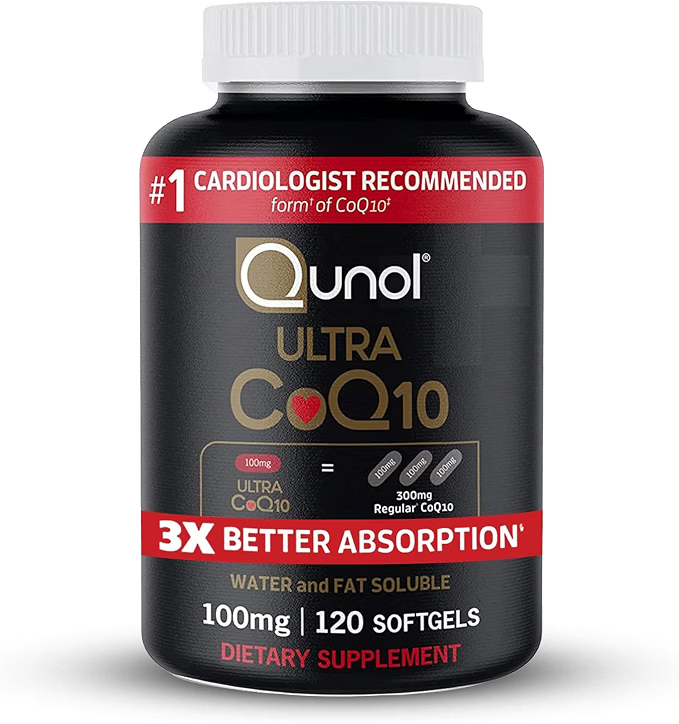
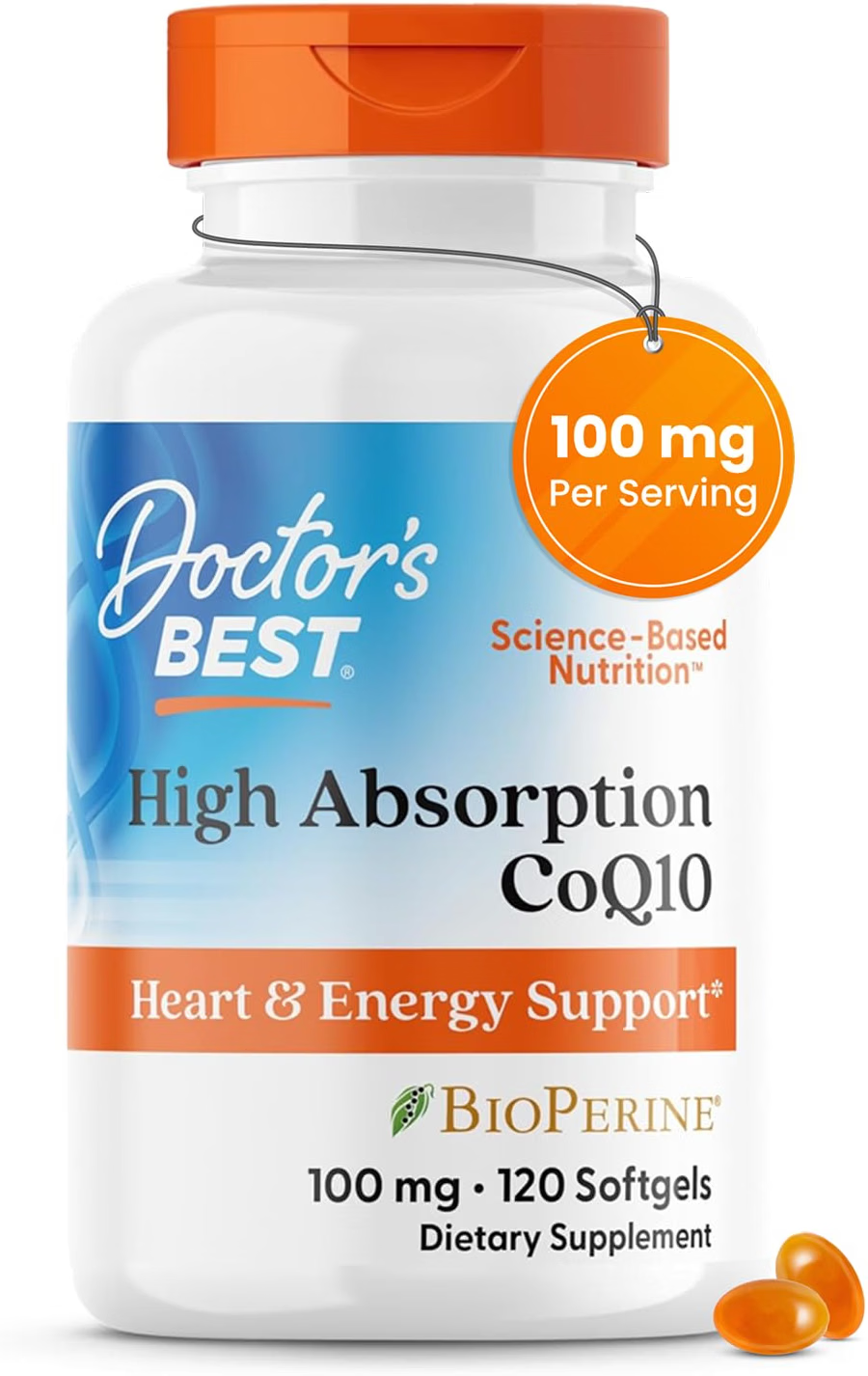
Images courtesy of respective brands via Amazon. Prices may vary.
💬 Our take: The omega-3 pick is a solid all-rounder for most adults. The CoQ10 softgel is a smart choice if you’re on statins or over 40 — take it with a meal containing fat for best absorption.
Who Should Take What? A Practical Buying Guide
Take Omega-3 if:
- You eat fatty fish less than twice a week
- You have elevated triglycerides
- You want broad, general cardiovascular support
- You’re vegetarian/vegan (choose algae-based EPA/DHA)
Take CoQ10 if:
- You take a statin medication
- You have heart failure (discuss dosing with your cardiologist)
- You’re over 40 and want to support cellular energy
- You experience statin-related muscle discomfort (worth a trial, though evidence is mixed)
Take Plant Sterols if:
- Your LDL is borderline-high and you’re diet-focused
- You want to hit an LDL target alongside statin therapy (with your doctor’s okay)
- You already eat a balanced diet but want a targeted LDL tool
Take none of them if: You’re on multiple medications without doctor approval, you’re pregnant, or you’re using supplements as a substitute for prescribed treatment.
Red Flags and Money Traps
- No third-party testing seal (NSF, USP, Informed Choice) — skip it.
- “Proprietary blends” with hidden doses — you can’t verify what you’re getting.
- Miracle claims (“cures heart disease,” “replaces statins”) — run.
- Rancid fish oil — if it smells like old paint, it’s oxidized and potentially harmful.
- Underdosed products — 200 mg of plant sterols won’t do what 2,000 mg will.
- Celebrity-endorsed mega-prices — you’re paying for marketing, not molecules.
Final Verdict: Which Is Worth Your Money?
Best overall value: Omega-3. The broadest evidence base, the most versatile benefits, and a well-established safety profile make it the strongest first purchase for most adults — especially those with low fish intake.
Best targeted purchase: Plant sterols. If your specific goal is lowering LDL, plant sterols deliver the most measurable, reliable result per dollar.
Best add-on: CoQ10. Not a first-line heart supplement for everyone, but a smart, condition-specific buy for statin users and older adults.
The honest truth: No supplement beats a heart-healthy diet, regular exercise, good sleep, and — when prescribed — medication adherence. Spend accordingly.
Disclosure & Disclaimer
Affiliate Disclosure: This article contains affiliate and sponsored links, including links to Amazon and our partner offers. If you purchase through these links, we may earn a commission at no extra cost to you. This helps support our independent health journalism. We only recommend products we believe offer reasonable value based on label review and available evidence.
Medical Disclaimer: This article is for informational purposes only and does not constitute medical advice. Supplements can interact with medications — especially blood thinners, statins, and cholesterol-lowering drugs. Always consult your physician or a registered dietitian before starting any supplement, particularly if you are pregnant, nursing, managing a chronic condition, or taking prescription medication. Individual results vary, and statements in this article have not been evaluated by the FDA. These products are not intended to diagnose, treat, cure, or prevent any disease.
P.S. — One Last Thing
If you take one thing away from this article, let it be this: match the supplement to your numbers, not the marketing. Get a lipid panel. Talk to your doctor. Then buy the product that targets your specific risk factor — and buy it from a brand that publishes third-party test results.
And if this article helped you cut through the supplement aisle noise, do us a small favor: select IntelliNewz as a preferred source on Google using the button at the top of this page. It keeps our independent, evidence-based health reporting free — and coming straight to your search results.
Stay curious, stay skeptical, and take care of that heart. ❤️
— The IntelliNewz Health Team