
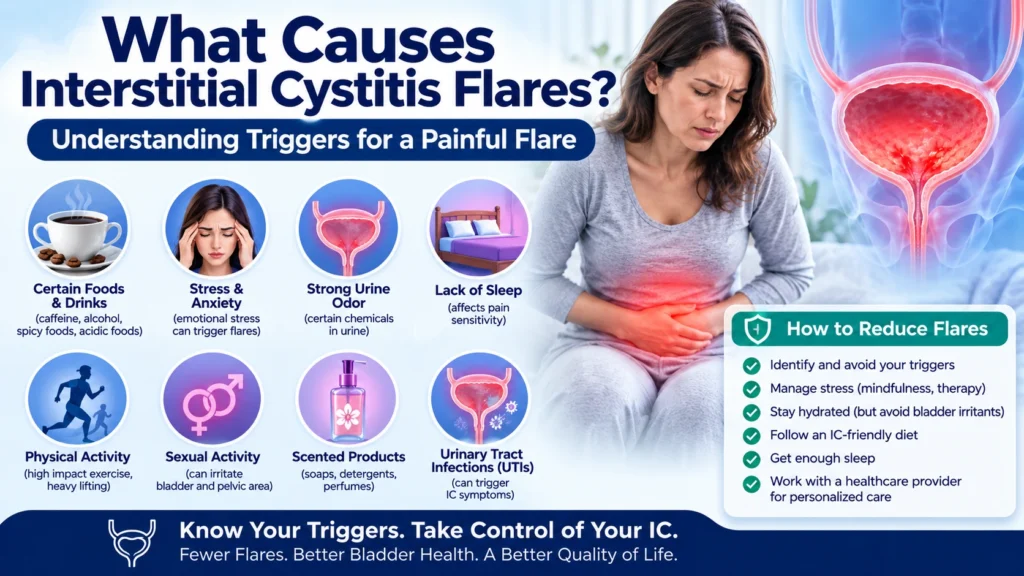

If you live with interstitial cystitis (IC) or bladder pain syndrome (BPS), you know that a “flare” can strike without warning—turning a manageable day into one of pain, urgency, and frustration. Understanding what causes these flares is one of the most powerful steps you can take toward regaining control. While the exact root cause of IC remains unknown, researchers have identified a wide range of common triggers that can send your bladder into overdrive.
The Bladder’s Fragile Balance
To understand why flares happen, it helps to understand the underlying science. Many experts believe IC involves a defect in the protective lining (the epithelium) of the bladder. This leak may allow irritating substances in urine to reach the sensitive bladder wall, causing pain and inflammation. Other theories point to an autoimmune reaction, a nervous system disorder, or a combination of factors.
Flares occur when something disrupts this fragile balance, causing your symptoms to spike suddenly. Let’s explore the most common culprits.
#1 Common 1. Dietary Triggers
What you eat and drink is one of the most significant contributors to flares. In fact, research suggests that up to 95% of IC patients report that certain foods exacerbate their symptoms.
The most commonly reported dietary offenders include:
- Acidic foods and drinks: Citrus fruits (oranges, grapefruits, lemons), tomatoes, and tomato-based sauces
- Caffeine and alcohol: Coffee, tea, soda, and all forms of alcohol
- Spicy foods: Chili peppers and heavily spiced dishes
- Chocolate
- Artificial sweeteners and additives: MSG (monosodium glutamate)
- Potassium-rich foods: Some patients find these can be problematic
The Interstitial Cystitis Association notes that substances in certain foods may irritate the bladder wall directly, inflame nerve endings, or provoke increased nerve sensitivity, leading to a flare.
Mind-Body 2. Stress and Emotional Health
The connection between your mind and your bladder is powerful. Both physical and emotional stress are notorious triggers for IC flares.
When you experience stress, your body initiates a “fight or flight” response, which can lead to increased pelvic floor tension and changes in pain perception. The IC Network explains that prolonged stress and anxiety can affect the entire body and have been linked to the development of chronic overlapping pain conditions like IC, IBS, and fibromyalgia.
Cyclical 3. Hormonal Fluctuations
For many women, their menstrual cycle is closely tied to IC symptoms. Hormonal changes during ovulation and the days leading up to menstruation can cause flares. The Merck Manual notes that symptoms can worsen during ovulation, menstruation, and periods of physical or emotional stress.
Physical 4. Physical Activity and Pelvic Floor Strain
Your pelvic floor muscles play a central role in bladder control. Activities that jar or put pressure on these muscles can trigger a flare.
- Exercise: High-impact workouts like running, using a stair master, or riding a bicycle can provoke pelvic pain and bladder symptoms. Exercises that keep the hips level, such as walking, swimming, or gentle yoga, are often better tolerated.
- Driving and Traveling: The vibration and bouncing from cars, buses, trains, or airplanes are notorious for triggering pelvic floor tension. Many patients report they cannot drive long distances without experiencing significant discomfort.
- Sexual Intercourse: Intimacy is a common trigger. Women often feel their worst 24 to 48 hours after intercourse due to pelvic floor muscle spasms, while men with IC may experience pain during orgasm.
Chemical 5. Environmental and Chemical Irritants
Everyday items in your home can also be a source of irritation. Chemical exposures, including scented candles, room fresheners, paints, solvents, and pest control products, can trigger flares. Patients with sensitive skin often report that scented laundry detergent, fabric softeners, and dryer sheets can cause urethral, vulvar, or rectal discomfort. Pool chemicals and even certain types of toilet paper can be problematic.
Identifying Your Personal Triggers
Because triggers are highly individual, the key to management is identifying your own unique flare pattern. A food and symptom diary is an invaluable tool. Track what you eat, what you do, and how you feel. Over time, you’ll likely spot patterns that help you connect the dots.
📓 How to Keep a Flare Diary
- Food & Drink: Record everything you consume, including portion sizes.
- Activities: Note exercise, travel, and intimacy.
- Stress Level: Rate your stress on a scale of 1–10.
- Symptoms: Track pain, urgency, and frequency (use a scale).
- Timing: Note when symptoms start and how long they last.
What to Do During a Flare
While prevention is the goal, knowing how to handle a flare when it happens is equally important. Some tips include:
- Drink water: A glass of water can help dilute your urine and flush out irritating substances.
- Rest your pelvic floor: Avoid jarring activities and heavy lifting until your symptoms subside.
- Apply heat: A warm bath or heating pad on your lower belly or perineum can help relax tense muscles.
- Consider OTC pain relief: NSAIDs like ibuprofen may help reduce inflammation.
A Note on the Underlying Cause
While these triggers are well-documented, it’s important to reiterate that the root cause of IC remains a mystery. Scientists are still investigating several theories, including a possible autoimmune reaction, a genetic predisposition, or a response to an undiagnosed infection. Understanding your triggers is about managing your condition, not blaming yourself for causing it.
Key Takeaways
- ✅ Diet, stress, hormones, physical strain, and environmental chemicals are the most common flare triggers.
- ✅ Your triggers are unique—what bothers one person may be safe for another.
- ✅ A symptom diary is your best tool for identifying personal patterns.
- ✅ Flares are manageable—rest, hydration, and heat can help during an episode.
- ✅ Work with a specialist to develop a comprehensive flare-prevention plan.
Conclusion
Interstitial cystitis is a complex and often frustrating condition, but understanding the common causes of flares empowers you to make proactive changes. By identifying your personal triggers—whether they’re dietary, hormonal, or physical—you can take back a measure of control and work toward a better quality of life. As with all aspects of IC management, partnering with a knowledgeable healthcare professional is your best strategy for long-term success.
Disclaimer: This article is for informational purposes only and does not constitute medical advice. Always consult a qualified healthcare professional for diagnosis, treatment, and management of interstitial cystitis.