
Most people think cinnamon is just one spice. But the “cinnamon” sold in stores actually comes in two very different forms Ceylon Cinnamon vs Regular CinnamonAlthough they look similar, the differences between Ceylon Cinnamon vs Regular Cinnamon in terms of safety, flavor, liver health, diabetes support, and long-term use are substantial.
Choosing the wrong one for daily supplementation could expose you to excessive coumarin, while choosing the right one may support blood sugar control, inflammation reduction, and metabolic health.
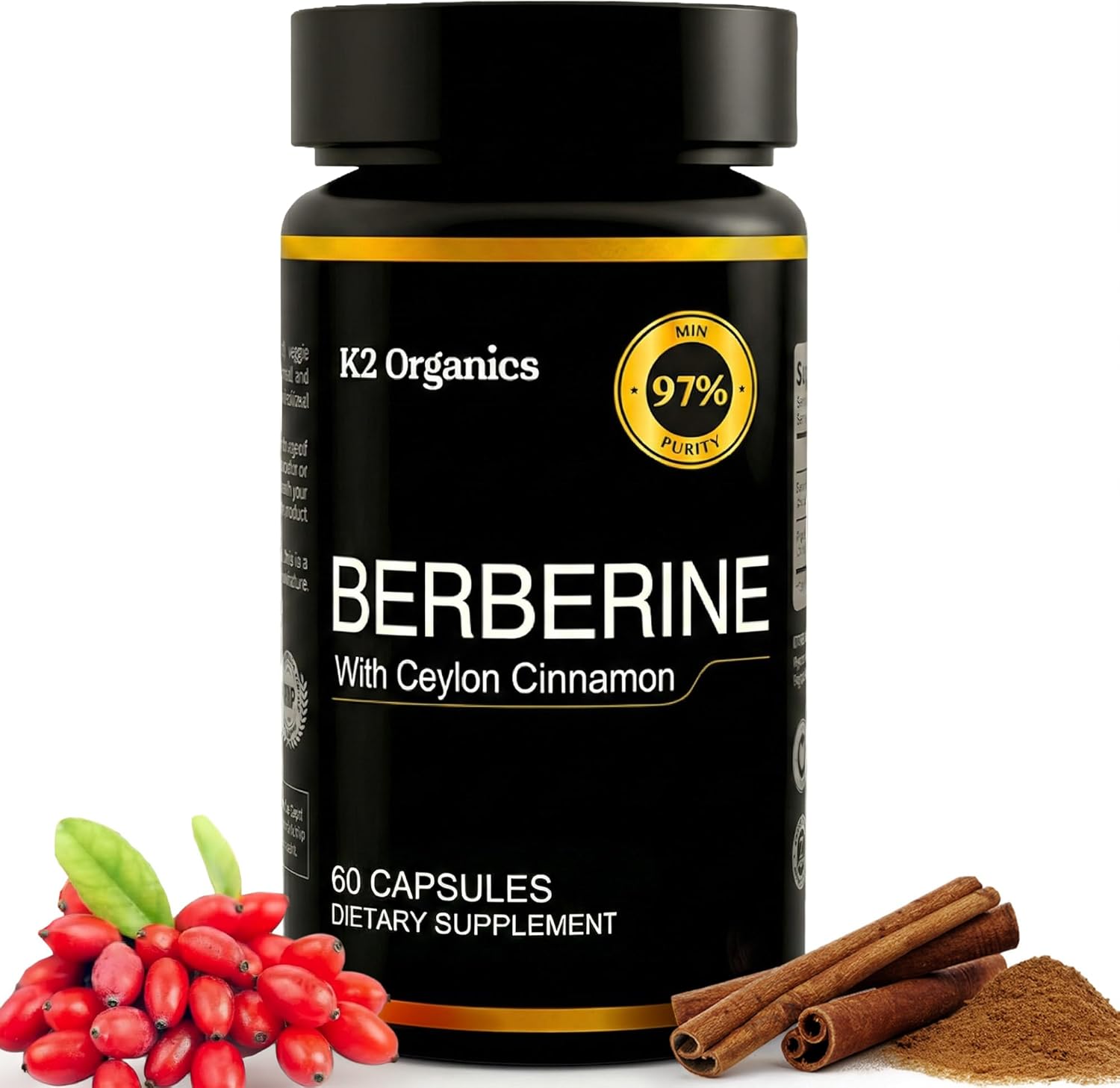
Berberine + Ceylon Cinnamon
Premium Metabolic Wellness
- Premium clean ingredients — third-party tested for safety & assurance
- Formulated with Ceylon Cinnamon (low coumarin, for daily support)
- Non-GMO, vegan, gluten‑free, no stearates or preservatives
- Designed for wellness-focused individuals who prioritize quality
⭐ Expert dietitian suggests: “Take as part of a balanced wellness routine.”
Dietary supplement — complements healthy eating and active lifestyle.
Registered Dietitian (R.D.) recommendation, general wellness support✔️ Secure transaction · Authorized retailer
This product is a dietary supplement intended for general wellness purposes only. The information provided does not constitute medical advice, nor is it intended to diagnose, treat, cure, or prevent any disease or medical condition. Statements made by the expert dietitian reflect general wellness guidance (“take as part of a balanced wellness routine”) and are not therapeutic claims. Individual results may vary. Always consult a qualified healthcare professional before starting any new supplement, especially if you are pregnant, nursing, have a pre-existing medical condition, or are taking prescription medications. Third-party testing ensures quality and purity but does not guarantee specific health outcomes. This product is not evaluated by the FDA. For safety, do not exceed recommended dosage.
📌 Medical & Therapeutic Promise Disclaimer: We expressly avoid any medical or therapeutic promises. No claims are made regarding weight loss, blood sugar management, or disease treatment. This supplement is designed for wellness-focused individuals seeking clean ingredients, and the decision to use it should be made in collaboration with your personal healthcare provider.
This complete guide covers:
- Ceylon cinnamon vs regular cinnamon
- Which type is healthiest
- Safety and liver concerns
- Blood sugar and A1c effects
- Berberine combinations
- Weight loss support
- Best supplement practices
- Who should avoid these supplements
The Origin: Two Different Trees
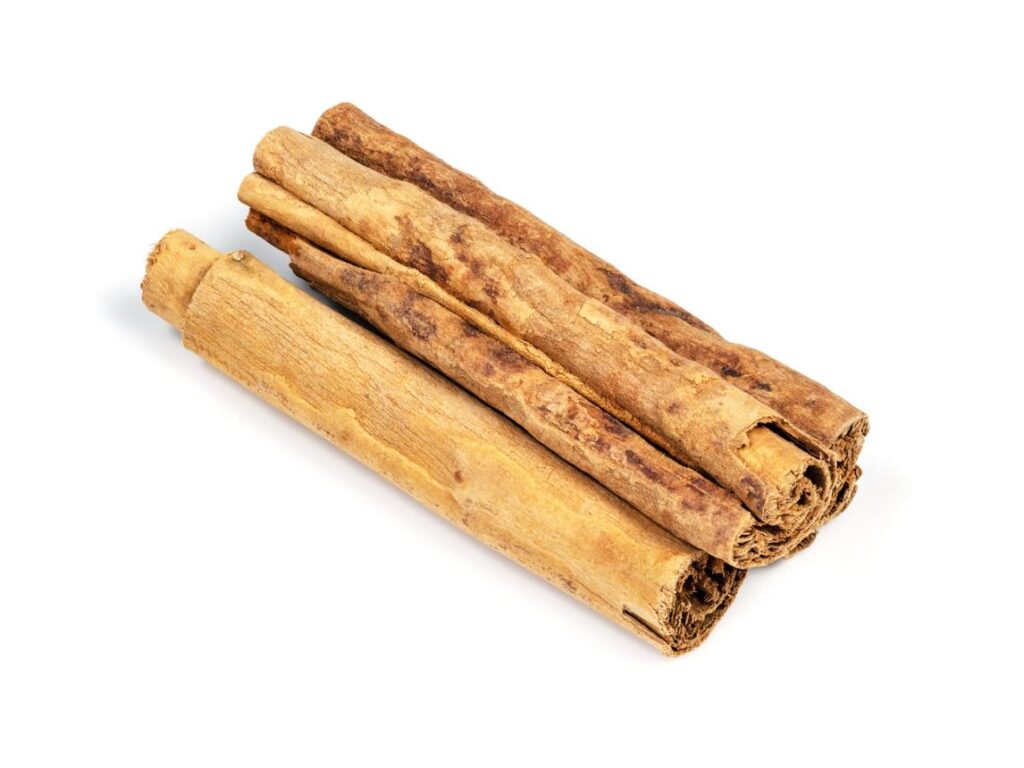
Ceylon Cinnamon (Cinnamomum verum)
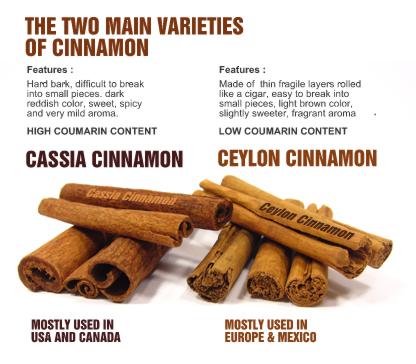
Native to Sri Lanka, Ceylon is often called “true cinnamon.” It is made from soft, thin layers of inner bark that curl into delicate multi-layered quills.
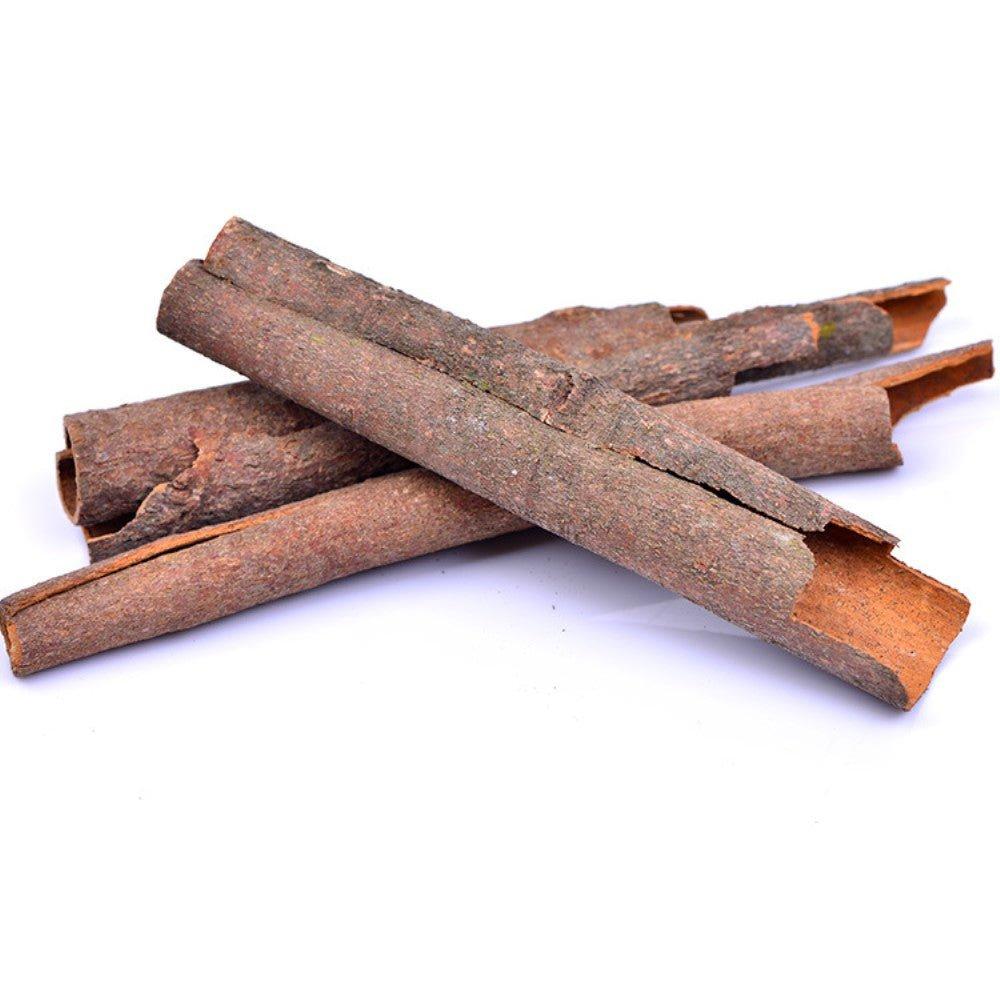
Regular Cinnamon (Cassia)
Cassia cinnamon is commonly sourced from China, Indonesia, or Vietnam. It is the standard supermarket cinnamon used in most baked goods.
Cassia sticks are:
- Thick
- Hard
- Dark reddish-brown
- More pungent
Which Type of Cinnamon Is Healthiest?

The healthiest form is generally considered to be Ceylon cinnamon because it contains dramatically lower levels of coumarin.
Coumarin is a natural compound that:
- Gives Cassia its stronger flavor
- May thin blood
- Can stress the liver in excessive amounts
Ceylon cinnamon contains only trace amounts of coumarin, making it the preferred choice for:
- Daily use
- Long-term supplementation
- Blood sugar support
- Wellness routines
Winner for Health:
✅ Ceylon CinnamonRegular Cassia Cinnamon
Flavor:
- Strong
- Hot
- Sharp
- Spicy
Best for:
- Cinnamon rolls
- Apple pie
- Holiday desserts
- Strong baked flavors
Ceylon Cinnamon
Flavor:
- Mild
- Sweet
- Floral
- Slight citrus and clove notes
Best for:
- Tea
- Coffee
- Smoothies
- Chocolate
- Daily oatmeal
- Savory curries
Taste Winner:
🤝 Tie — depends on use.
The Safety Issue: Why Coumarin Matters
This is the most important difference.
Is Regular Cinnamon Dangerous?
Cassia cinnamon contains high amounts of coumarin. Excessive intake may increase risk of:
- Liver toxicity
- Elevated liver enzymes
- Bleeding complications
- Drug interactions
A single teaspoon of Cassia may contain enough coumarin to exceed recommended daily intake for some adults.
People at higher risk include:
- Those with liver disease
- People taking blood thinners like Warfarin
- Individuals taking high-dose cinnamon capsules daily
Is Ceylon Cinnamon Hard on the Liver?
Compared with Cassia, Ceylon cinnamon is considered far safer for the liver because of its extremely low coumarin content.
For most healthy adults:
- ½–1 teaspoon daily is generally considered reasonable
- Culinary amounts are usually safe long term
However, excessive supplementation should still be avoided.
Who Should Not Use Ceylon Cinnamon?
Even Ceylon cinnamon should be used carefully by:
- People with liver disease
- Those on diabetes medications
- Individuals taking blood thinners
- People prone to low blood sugar
- Those with cinnamon allergies
- Anyone preparing for surgery
Pregnant women can usually consume culinary amounts safely, but high-dose supplements should be discussed with a healthcare professional.
Can Cinnamon Help Lower A1c?
Research suggests cinnamon may help:
- Lower fasting blood sugar
- Improve insulin sensitivity
- Reduce post-meal glucose spikes
- Slightly improve HbA1c
But results vary between studies.
Cinnamon is best viewed as:
✅ A supportive dietary tool
❌ Not a replacement for diabetes medication or lifestyle management
What Should You Not Mix With Cinnamon?
Avoid excessive combination with:
- Diabetes medications such as Metformin
- Blood thinners
- Heavy alcohol intake
- Other strong glucose-lowering supplements
Using many blood-sugar-lowering agents together may increase risk of hypoglycemia.Is Berberine With Ceylon Cinnamon Good for Weight Loss?
This combination is commonly used because both may support:
- Better insulin response
- Appetite control
- Reduced sugar cravings
- More stable blood glucose
- Improved metabolic function
Some people report:
- Reduced appetite
- Mild weight loss
- Improved energy
- Better fasting glucose readings
However:
- Results vary widely
- Diet and activity remain essential
- Supplements alone rarely produce dramatic fat loss
What Is Berberine?
Berberine is a plant compound extracted from herbs such as barberry and goldenseal.Berberine is a bioactive plant alkaloid naturally present in species such as barberry, goldenseal, Oregon grape, and Coptis (goldthread). It has been used in traditional Chinese and Ayurvedic medicine for centuries and is now sold as a dietary supplement for blood sugar, cholesterol, and metabolic health. Modern research supports several promising effects, though evidence remains incomplete and dosage safety requires medical supervisionKey facts
- Compound type: Isoquinoline alkaloid
- Common sources: Barberry, goldenseal, Oregon grape, tree turmeric
- Typical supplement form: 500 – 1,500 mg/day in divided doses
- Main studied uses: Type 2 diabetes, high cholesterol, metabolic syndrome, PCOS
- Common side effects: Nausea, diarrhea, constipation, drug interactions
Mechanism and biological effects
Berberine activates AMP-activated protein kinase (AMPK), an enzyme regulating cellular energy and metabolism. This activation helps increase insulin sensitivity, reduce hepatic glucose production, and enhance fat metabolism. It may also modulate gut microbiota, contributing to improved digestion and inflammatory balance. These mechanisms underlie its potential in blood sugar control, lipid regulation, and weight management.
Evidence-based benefits
Clinical and preclinical studies show that berberine can modestly lower fasting glucose and HbA1c in people with diabetes, sometimes with efficacy comparable to metformin. It may reduce LDL (“bad”) cholesterol and triglycerides while increasing HDL cholesterol, support heart and liver function, and alleviate insulin resistance in polycystic ovary syndrome (PCOS). Research into its roles in obesity, cognitive health, and inflammation is ongoing; most findings derive from small or short-term trials.
Safety and interactions
When taken orally in moderate doses (up to ≈ 1.5 g/day for ≤ 6 months), berberine appears possibly safe for most adults. Pregnant and breastfeeding individuals, newborns, and young children should avoid it because it can cross the placenta or enter breast milk. Notable interactions occur with drugs metabolized by the liver or affecting blood sugar, blood pressure, or coagulation—such as metformin, cyclosporine, losartan, and anticoagulants. Medical consultation is essential before use.
Use and regulation
Berberine is sold over the counter as capsules, tablets, or combined herbal formulas, often marketed for “natural metabolic support.” Because dietary supplements are not evaluated by the U.S. Food and Drug Administration (FDA) for efficacy or purity, product quality can vary. Selecting third-party-tested brands and coordinating use with a healthcare provider help minimize risk and ensure appropriate dosing.
Best Time to Take Berberine for Weight Loss
Most people take berberine:
- 15–30 minutes before meals
or - With meals
This timing may help reduce post-meal glucose spikes and improve satiety.
How Much Berberine Should You Take?
Common dosing:
- 500 mg, 2–3 times daily
- Total: 1,000–1,500 mg/day
It is often divided with meals to reduce stomach upset.
The main organ of concern is the liver because berberine is metabolized there.
Possible issues include:
- Drug interactions through liver enzymes
- Digestive upset
- Rare liver enzyme elevation
Berberine may also affect:
- Gut microbiome
- Blood pressure
- Medication absorption
Is Berberine Bad for Kidneys?
In healthy individuals, berberine is not generally considered highly kidney-toxic.
However, caution is advised for:
- Kidney disease
- Severe dehydration
- Multiple medication use
Some research even suggests potential kidney-protective effects, though evidence is still limited.
Can People With Hashimoto’s Take Berberine?
People with Hashimoto’s thyroiditis should use caution.
Berberine may:
- Affect medication absorption
- Influence gut bacteria
- Alter metabolism of thyroid medication
Anyone taking Levothyroxine should discuss supplementation with a healthcare professional.
What to Avoid While Taking Berberine
Avoid combining berberine with:
- Diabetes medications without supervision
- Heavy alcohol intake
- Certain antibiotics
- Cyclosporine
- Multiple glucose-lowering supplements
Possible side effects include:
- Nausea
- Constipation
- Diarrhea
- Stomach cramps
Best Berberine and Ceylon Cinnamon Supplements
Popular supplement brands often discussed include:
- Thorne
- NOW Foods
- Pure Encapsulations
- Jarrow Formulas
- Life Extension
When shopping, look for:
- “Ceylon” clearly listed
- Standardized berberine HCl
- Third-party testing
- Transparent ingredient amounts
Ceylon Cinnamon vs Regular Cinnamon: Quick Comparison Table
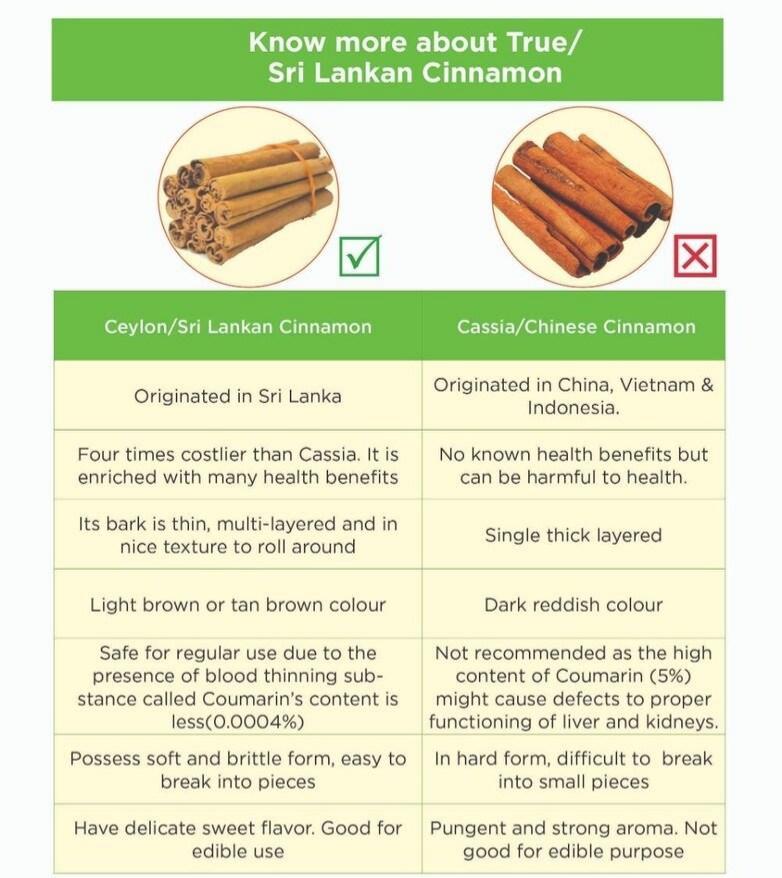
| Feature | Ceylon Cinnamon | Regular Cassia Cinnamon |
|---|---|---|
| Color | Light tan-brown | Dark reddish-brown |
| Texture | Soft, layered | Thick, hard |
| Flavor | Mild, floral, sweet | Hot, pungent |
| Coumarin Level | Very low | High |
| Liver Risk | Lower | Higher with daily use |
| Best For | Daily health use | Baking and desserts |
| Price | More expensive | Cheaper |
Final Verdict
If you occasionally sprinkle cinnamon into desserts or coffee, regular Cassia cinnamon is usually acceptable.
But if you:
- Take cinnamon daily
- Use cinnamon capsules
- Manage blood sugar
- Use metabolic supplements
- Combine cinnamon with berberine
then Ceylon cinnamon is the safer and smarter long-term choice.
In the debate of Ceylon Cinnamon vs Regular Cinnamon: Health Benefits, Safety, Blood Sugar, Berberine & Weight Loss Explained:
- ✅ Ceylon wins for safety and daily wellness
- ✅ Cassia wins for bold flavor and lower cost
Look for labels that specifically say:
- “Ceylon”
- “True Cinnamon”
- “Cinnamomum verum”
Your liver, metabolism, and long-term health may benefit from the difference.
Disclaimer: This article is for informational and educational purposes only and does not constitute medical advice. Always consult a qualified healthcare professional before starting supplements such as berberine or cinnamon, especially if you have diabetes, liver disease, kidney disease, thyroid disorders, or take prescription medications.