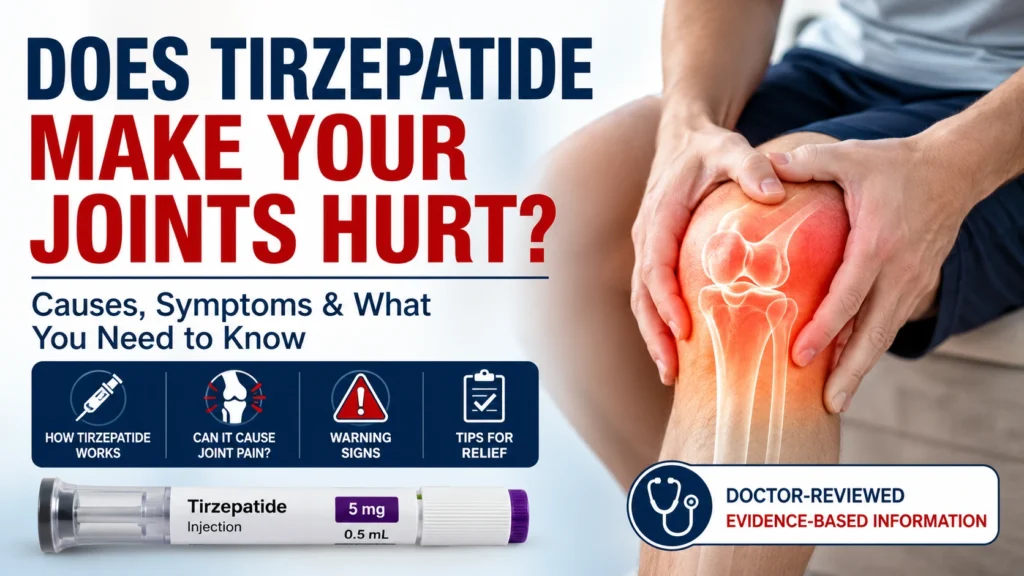

Does tirzepatide cause joint pain? It’s not a primary side effect, but some users report mild, temporary joint aches, especially during dose escalation. This is likely due to rapid weight loss, dehydration, or changes in inflammation rather than direct joint damage. Most discomfort fades within weeks. You can minimize it with hydration, gentle movement, and proper nutrition. Always consult your doctor before starting or adjusting any medication.
Understanding the Connection: Tirzepatide and Joints
To directly answer “does tirzepatide make your joints ache?” — clinical trials and current medical literature do not list joint pain as a common or severe side effect. The most frequently reported side effects are gastrointestinal (nausea, vomiting, diarrhea) and related to blood sugar changes. However, anecdotal reports from patients on forums and social media sometimes mention joint aches. This disconnect suggests that if joint pain occurs, it’s likely an indirect effect rather than a direct pharmacological action of the drug itself.
9 Possible Causes of Joint Pain on Tirzepatide
- Rapid Weight Loss: Tirzepatide often leads to significant, fast weight loss. Losing weight quickly can change your body’s mechanics and stress distribution, which might temporarily affect joints.
- Dehydration: The medication can suppress thirst and cause fluid loss through GI distress. Dehydration reduces synovial fluid that lubricates joints, leading to stiffness and pain.
- Changes in Physical Activity: Fatigue or nausea may reduce your usual activity. Less movement can make joints feel stiff and achy.
- Immune/Inflammatory Response: As with any new medication, the body has an adjustment period. Some individuals might experience a temporary, mild inflammatory response.
- Nutrient Deficiencies: Rapid weight loss can sometimes lead to deficiencies in vitamins and minerals important for joint health, such as vitamin D or calcium.
- Changes in Gait or Posture: As you lose weight, your center of gravity shifts, which can alter how you walk or stand, potentially stressing different joints.
- Underlying Joint Conditions: You may have pre-existing osteoarthritis or other joint issues that become more noticeable as your activity levels or weight changes.
- Medication Interactions: Tirzepatide may interact with other medications you’re taking, potentially affecting joints.
- Rare Allergic Reaction: While unlikely, joint pain could be part of a systemic reaction. This is typically accompanied by other symptoms like rash or swelling.
Warning Signs to Watch For
Most joint pain from tirzepatide is mild and temporary. However, you should consult your doctor if you experience:
- Severe or worsening joint pain
- Pain accompanied by swelling, redness, or warmth in the joints
- Joint pain with fever or rash
- Pain that interferes with daily activities or sleep
- Pain that persists for more than a few weeks
Doctor-Reviewed Relief Tips
If you’re wondering “does tirzepatide make your joints hurt and how to avoid it”, these strategies can help:
- Hydrate, Hydrate, Hydrate: Aim for 8–10 glasses of water daily, adding electrolytes if needed. This is crucial for joint lubrication and overall health.
- Gentle, Regular Movement: Incorporate low-impact exercises like walking, swimming, or yoga. This keeps joints flexible and reduces stiffness without overstressing them.
- Anti-Inflammatory Nutrition: Focus on foods rich in omega-3s (salmon, flaxseed), antioxidants (berries, leafy greens), and avoid processed foods that can promote inflammation.
- Listen to Your Body: If you experience severe pain, discuss a slower dose titration schedule with your healthcare provider to give your body more time to adapt.
- Consider Supplements: Over-the-counter options like turmeric, glucosamine, or fish oil (with your doctor’s approval) may support joint health.
Frequently Asked Questions (FAQs)
A: No, it is not listed as a common or serious side effect in major clinical trials or FDA labeling.
A: For those who experience it, the ache is usually mild and transient, often resolving within a few weeks as the body adjusts.
A: It’s best to consult your doctor first. Over-the-counter options like acetaminophen are generally safe, but NSAIDs (like ibuprofen) should be used with caution due to potential GI effects.
A: Unlikely. Severe allergic reactions involve symptoms like rash, swelling, or difficulty breathing. Joint pain alone is not a sign of a severe allergy.
A: Never stop a prescribed medication without speaking to your healthcare provider. They can help determine the cause and adjust your plan safely.
A: Some research suggests that GLP-1 receptor agonists like tirzepatide may have anti-inflammatory effects and help with osteoarthritis symptoms, particularly through weight loss.
Supporting Your Journey: Helpful Resources
Managing weight and blood sugar is a multifaceted journey. While tirzepatide is a powerful tool, many people find success by combining it with comprehensive wellness programs. Below are some resources that can complement your efforts.
🌟 Featured: Comprehensive Wellness Program
This top-rated program offers holistic support, including meal planning, exercise guides, and community coaching to help you achieve lasting results alongside your medication.
Explore This Program Now →Depending on your specific needs, you might also consider these other resources:
- Specialized Nutrition Plans: A program focused on anti-inflammatory and joint-supportive diets can be highly beneficial. Check out this tailored nutrition guide for more details.
- Low-Impact Fitness Programs: For those seeking structured, joint-friendly exercise routines, this fitness platform offers excellent options. Discover this gentle fitness program here.
Each of these programs can be a valuable addition to your health strategy, but they are not substitutes for professional medical advice.
Final Thoughts
So, does tirzepatide make your joints hurt? For most people, the answer is no. For the minority who experience this, it’s typically a temporary, manageable issue linked to secondary factors like dehydration or rapid weight loss, not direct joint damage. By staying hydrated, moving gently, and communicating openly with your doctor, you can effectively minimize any discomfort. Remember, the journey to better health is a partnership between you, your healthcare provider, and the supportive resources you choose to engage with.
Disclosure: Some of the links in this article are affiliate links, meaning we may earn a small commission if you make a purchase through them, at no extra cost to you. We only recommend products and services that we believe may add value to our readers.
Disclaimer: This article is for informational purposes only and does not constitute medical advice. It is not a substitute for professional medical diagnosis, treatment, or consultation. Always consult your physician or qualified health provider regarding any medication side effects, health conditions, or before starting any new dietary or fitness program. Individual results may vary. The FDA has not evaluated these statements for dietary supplements or other products mentioned.